
Success message
Error message
Rain Gardens
Beautiful landscapes that reduce flooding, improve water quality, and create habitat for birds and pollinators.
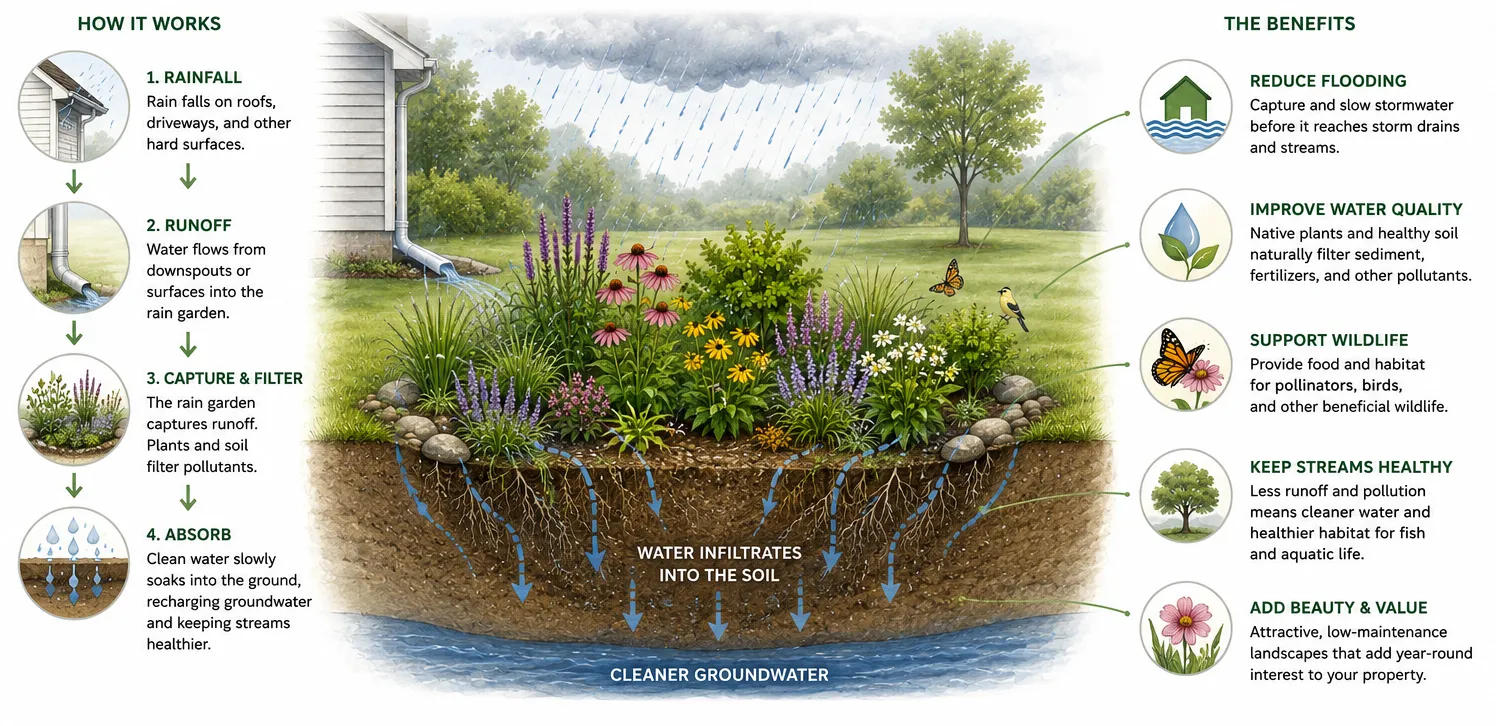
A rain garden is a shallow landscaped depression designed to capture and absorb rainwater from roofs, driveways, patios, and other hard surfaces. They are shallow, landscaped depressions planted with native flowers, grasses, and shrubs that capture and absorb rainwater from roofs, driveways, and other hard surfaces. Instead of rushing into storm drains and nearby streams, stormwater slowly soaks into the ground, reducing flooding, improving water quality, and creating valuable habitat for pollinators and wildlife.
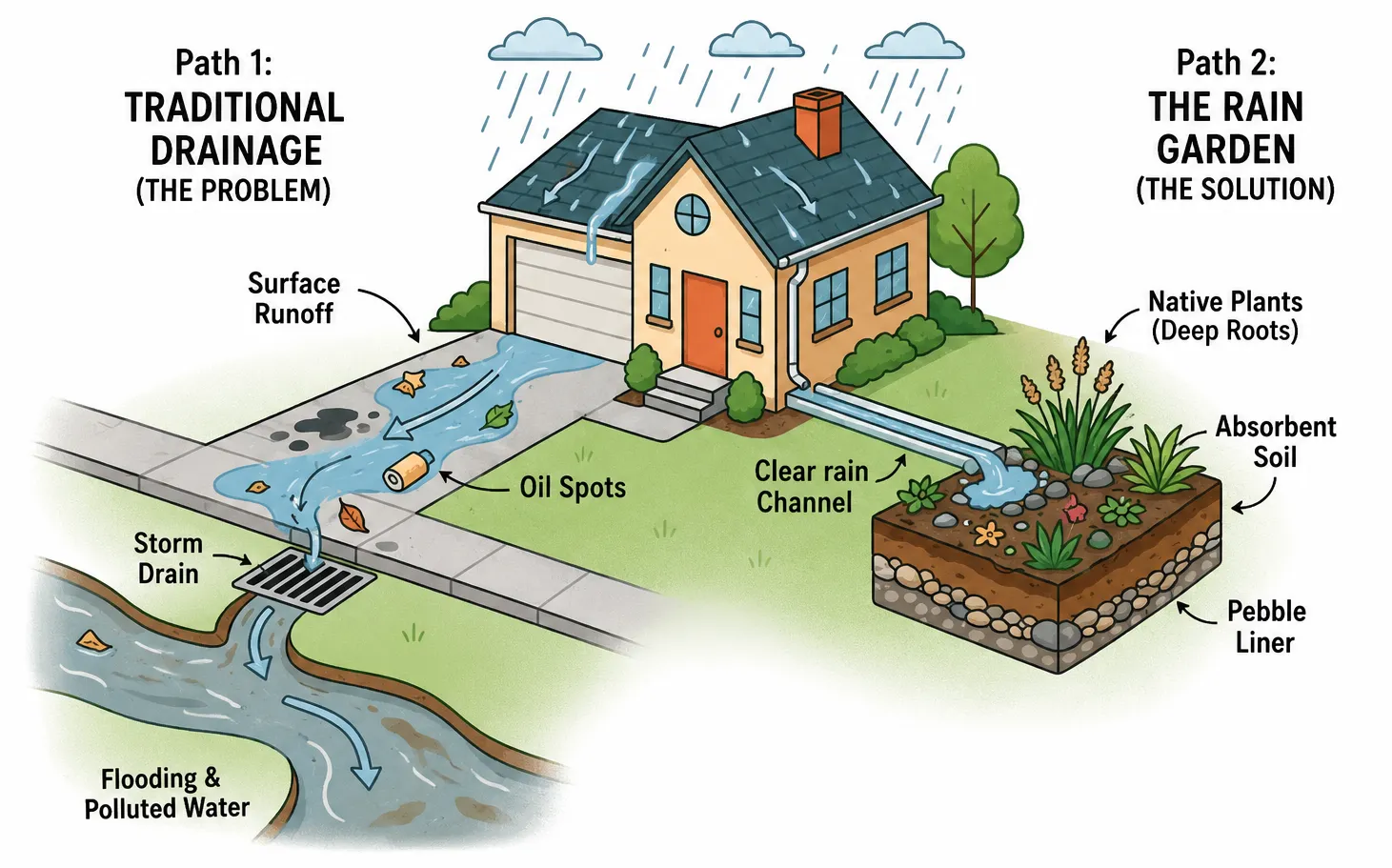
During heavy rain, water flowing off roofs, driveways, patios, and lawns quickly enters nearby streams. This fast-moving runoff contributes to flooding, erosion, and pollution. A properly designed rain garden captures this runoff, allowing it to soak naturally into the soil where it belongs.
Even a small rain garden can make a meaningful difference—and when many homeowners install them, the benefits extend throughout the entire watershed..
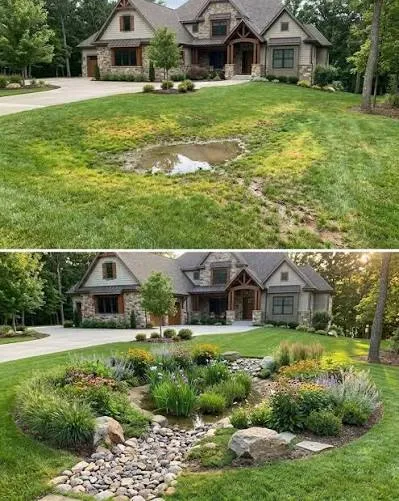
Could Your Yard Benefit from A Rain Garden?
A rain garden may be a good choice if you have:
✔ Water flowing from downspouts.
✔ A low area where water naturally collects.
✔ Areas of lawn that remain wet after storms.
✔ Space at least 10 feet from your home's foundation.
Most residential rain gardens are only 100–300 square feet and can be adapted to almost any landscape..
A residential rain garden is typically only 100–300 square feet—about the size of a parking space—but can capture hundreds of gallons of stormwater during a heavy rain.


Observe where water flows during a rainstorm.

Choose a location where runoff naturally collects, away from foundations and septic systems.

Select native plants that tolerate both wet and dry conditions.

Prepare the soil to improve drainage if needed.

Plant native species, mulch well, and enjoy watching your garden thrive.
Getting Started
Building a rain garden doesn't have to be complicated.
• Locate where runoff naturally flows.
• Use native plants.
• Keep it 10+ feet from foundations.
• Mulch after planting.
• Placing a rain garden where water already stands for days.
• Planting too close to your home's foundation.
• Using invasive or non-native plants.
• Directing too much water into a garden that is too small.
• Forgetting to maintain the garden during the first growing season.
• Don't direct sump pump discharge into your rain garden.


Native plants develop deep root systems that help absorb water, stabilize soil, and support butterflies, bees, birds, and other wildlife. Select species suited to both wet and dry conditions, since rain gardens naturally experience both.
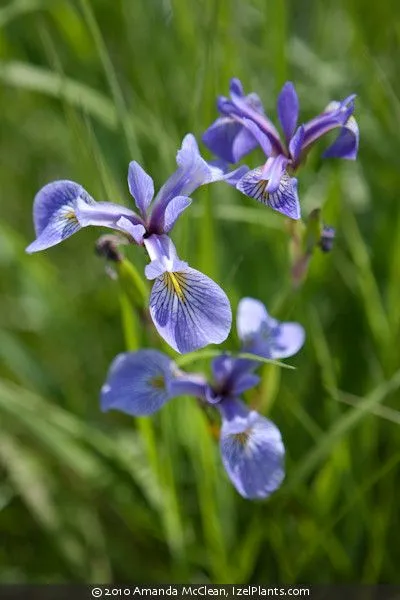
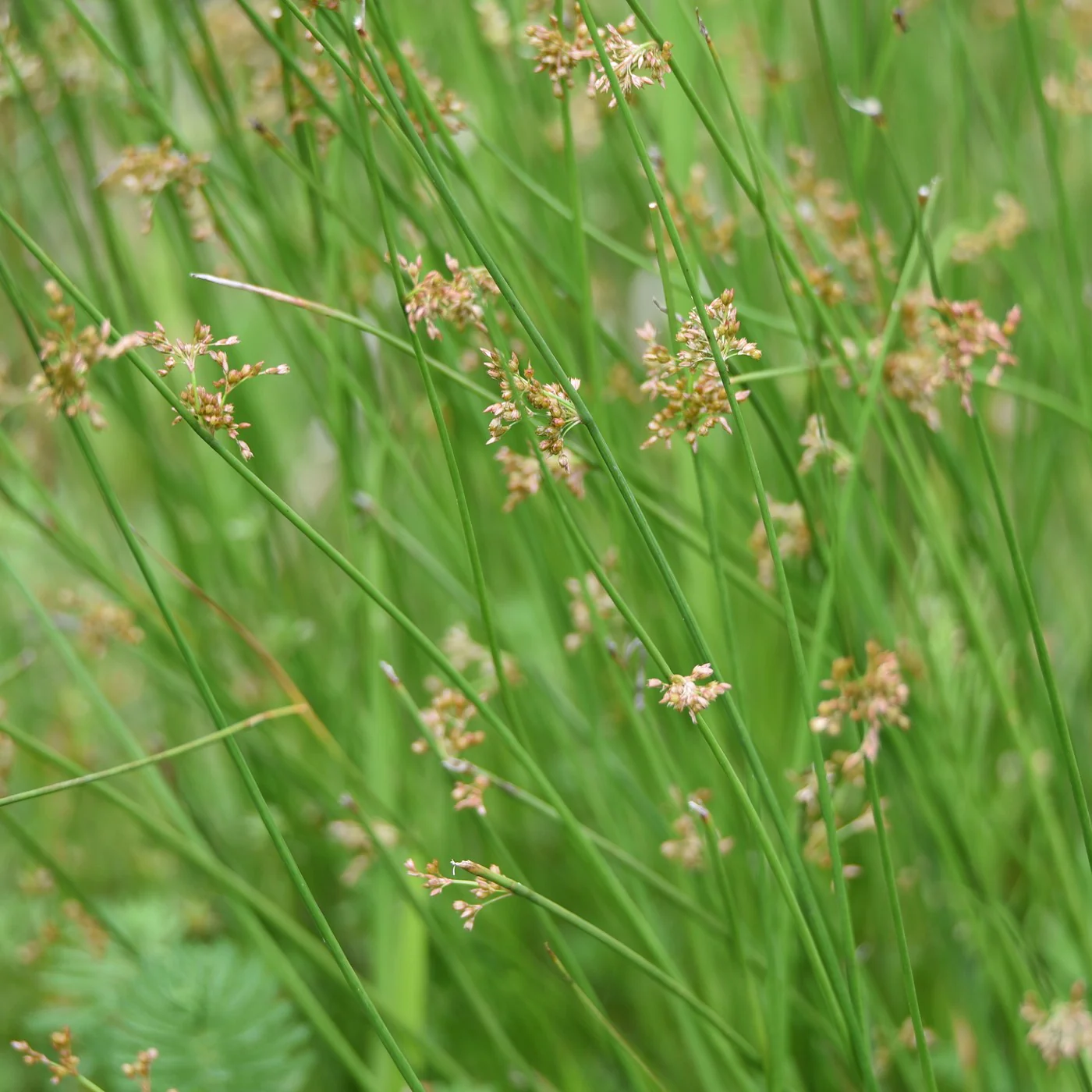
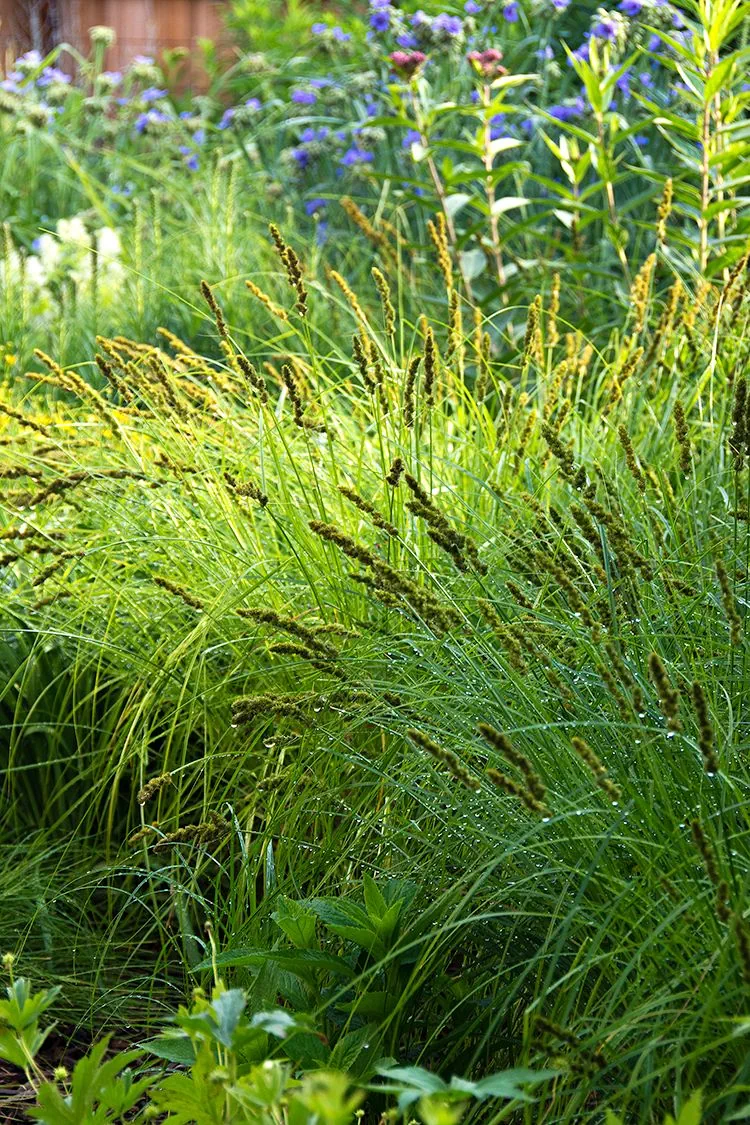
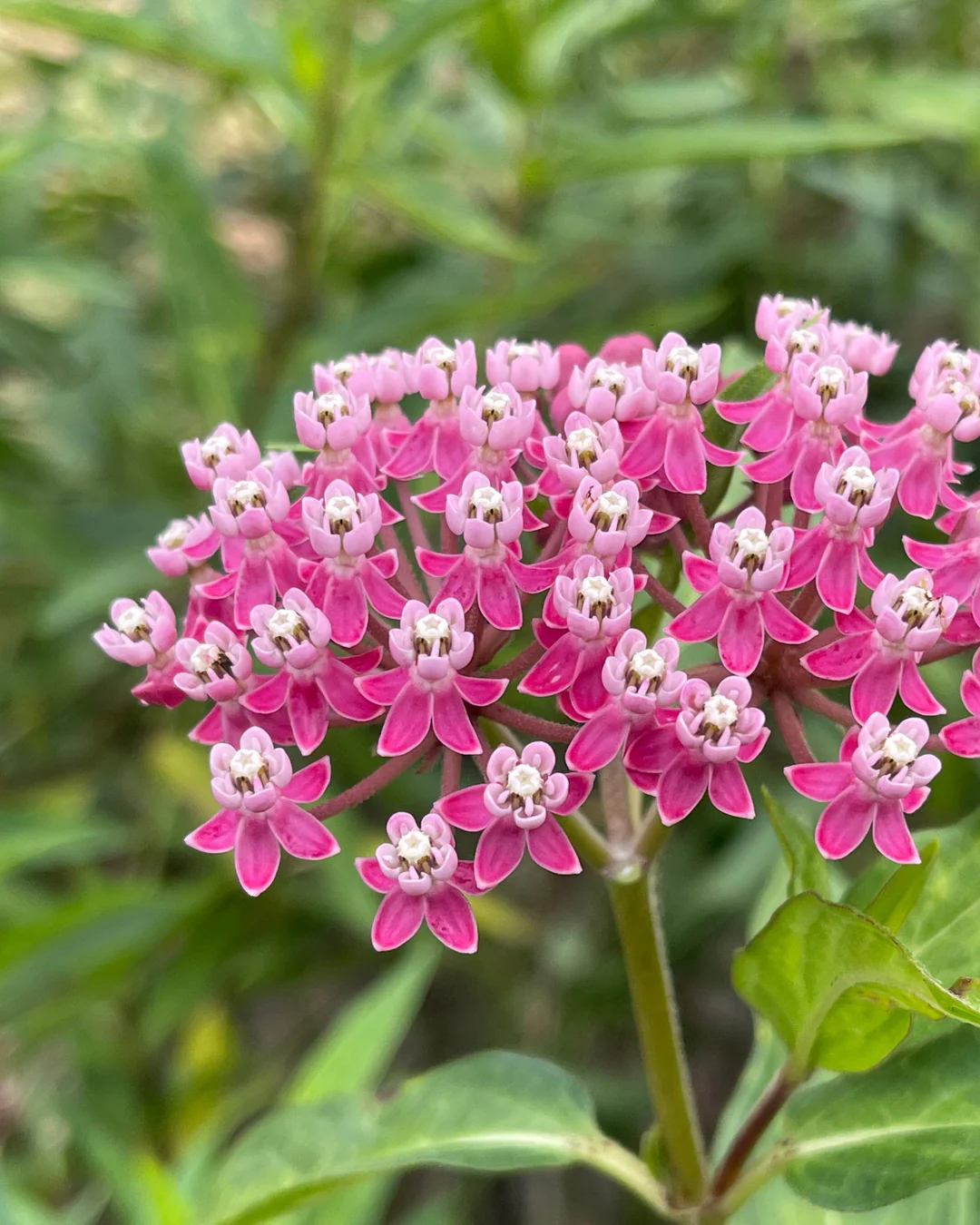
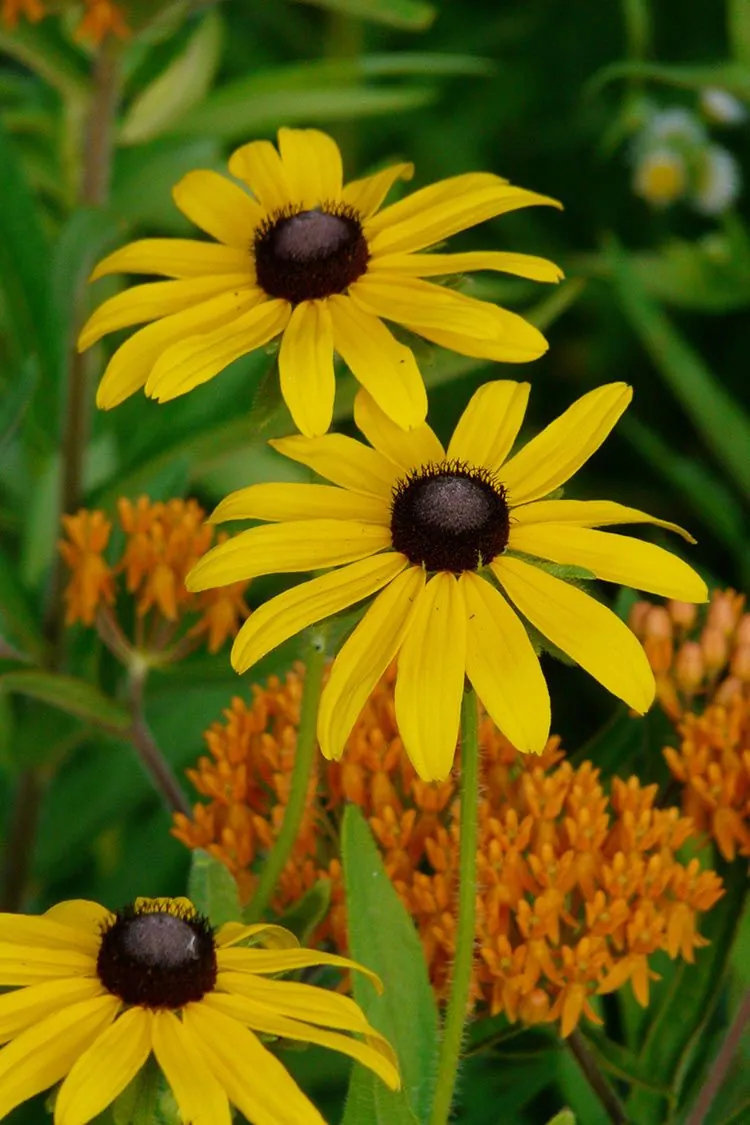
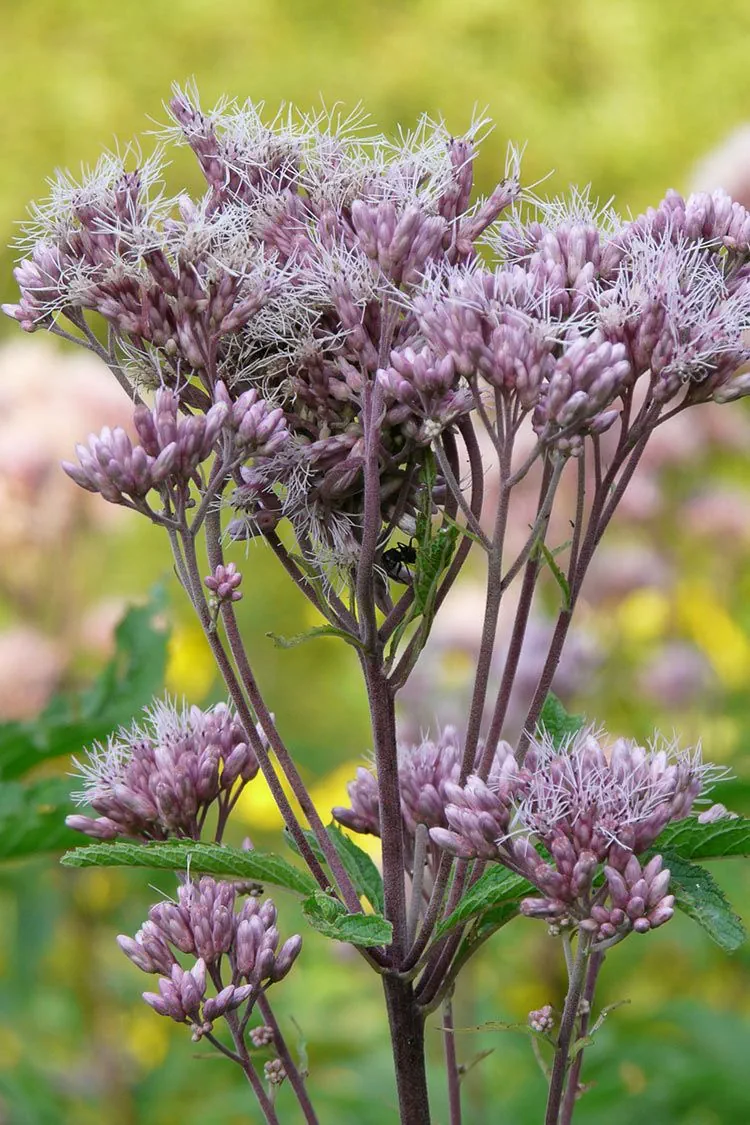
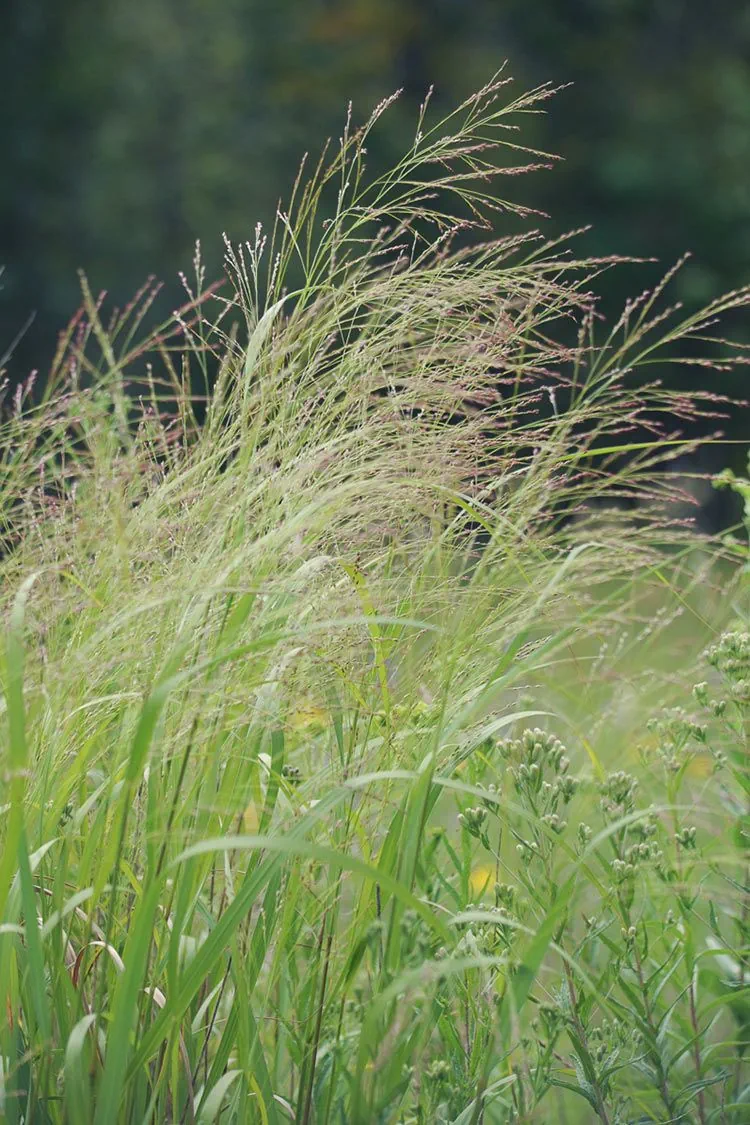
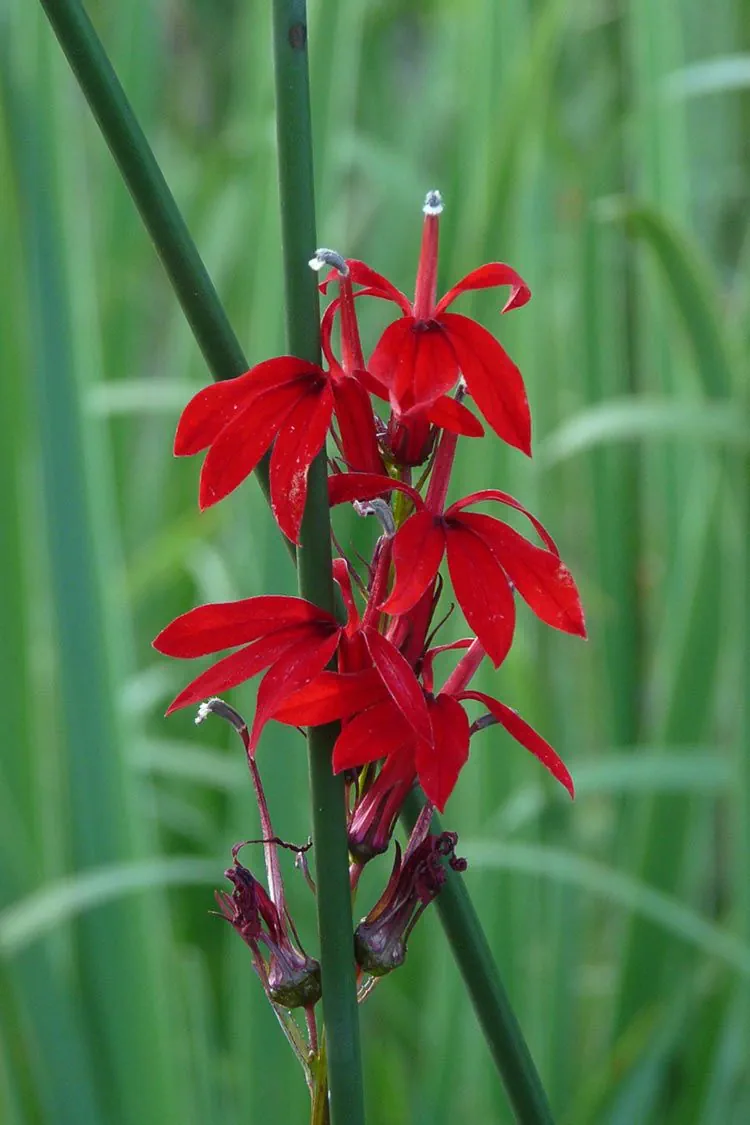
Blue Flag Iris
Swamp Milkweed
Joe Pye Weed
Cardinal Flower
Soft Rush
Fox Sedge
Black eyed Susan
Switchgrass
For Wetter Areas
For Dryer edges
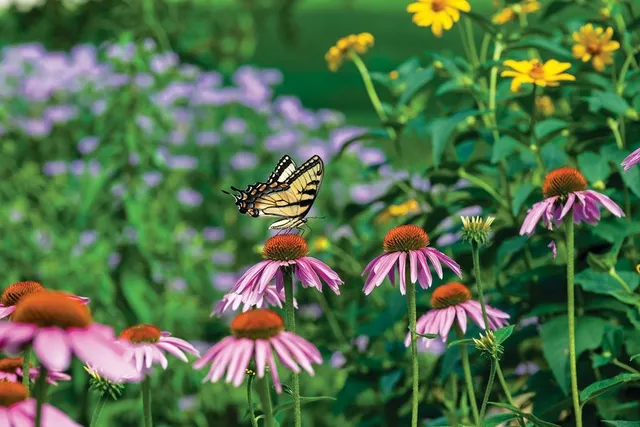
When many homeowners capture rain where it falls, streams experience less erosion, cleaner water, and healthier wildlife habitat.
Small changes on many properties create lasting benefits across the watershed.
Every property can make a difference.
Whether you plant a rain garden, install a rain barrel, or add native plants to your landscape, you're helping reduce flooding and improve the health of the Paunacussing Creek.
Ready To Get Started?
Explore these related resources:
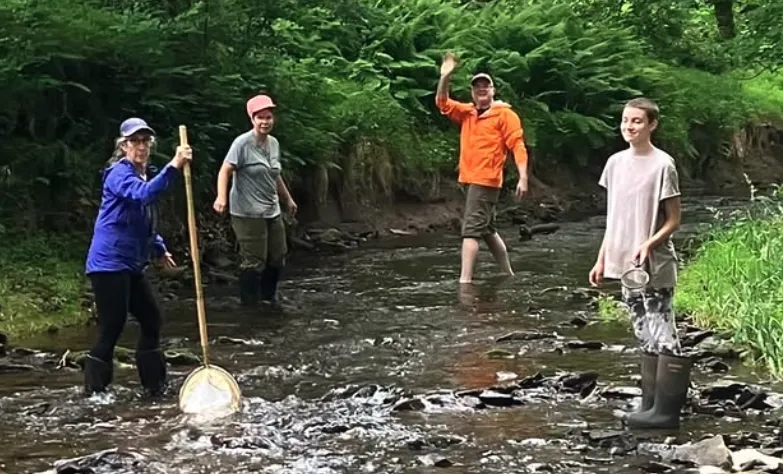
Every membership, donation, and volunteer effort helps protect clean water, healthy habitats, and our community for future generations.
Home About Learning Center News & Events Get Involved Contact
Volunteer-led 501(c)(3) nonprofit organization
Protecting and restoring the Paunacussing Watershed through stewardship, restoration, education, and community engagement.
Donations are tax deductible.