
Success message
Error message
Native Plants
Beautiful Landscapes That Protect Our Watershed
Native plants are one of the easiest ways to improve water quality, reduce flooding, support wildlife, and create a healthier landscape. Whether you have a large yard or a small garden, every native plant helps protect the Paunacussing Watershed.
Native plants are one of the simplest and most effective ways homeowners can improve water quality, reduce flooding, and create habitat for wildlife.
Because they are adapted to our local environment, native plants generally require less water, fertilizer, pesticides, and maintenance once established. Their deep root systems also make them more resilient during both heavy rains and periods of drought.
Every rainfall in the Paunacussing Watershed carries water across rooftops, lawns, gardens, driveways, and roads before eventually reaching nearby streams and Paunacussing Creek. What we choose to plant on our own properties directly affects the quality of that water.
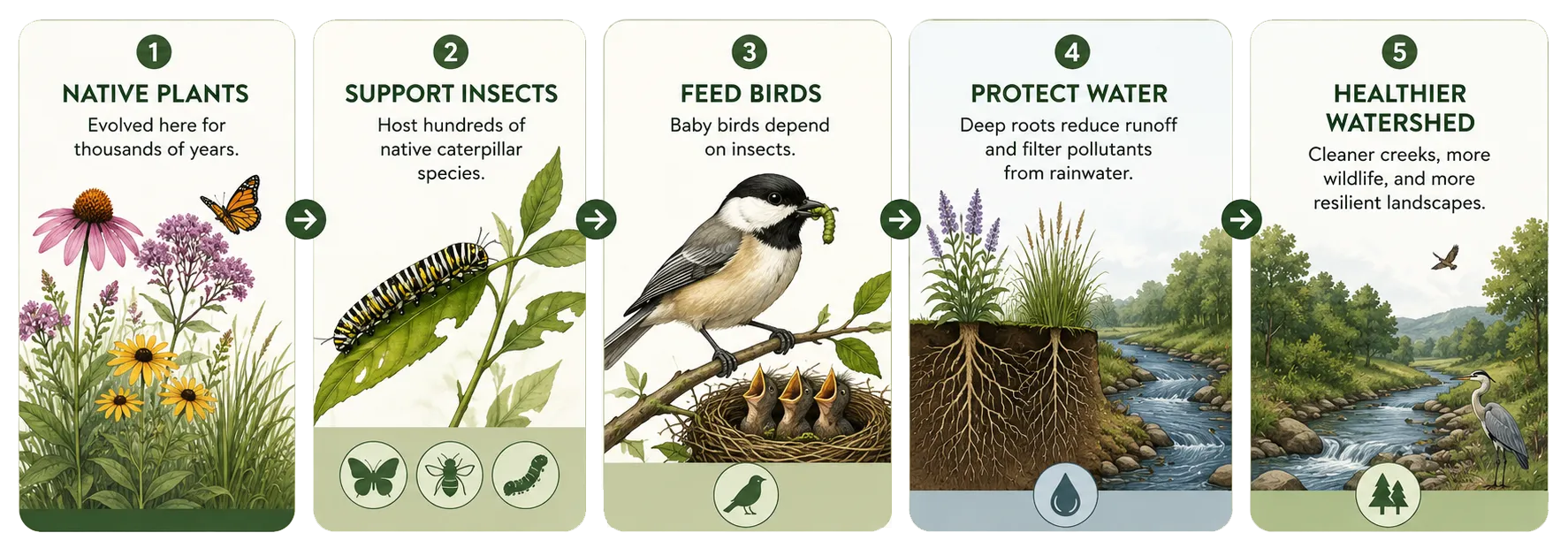
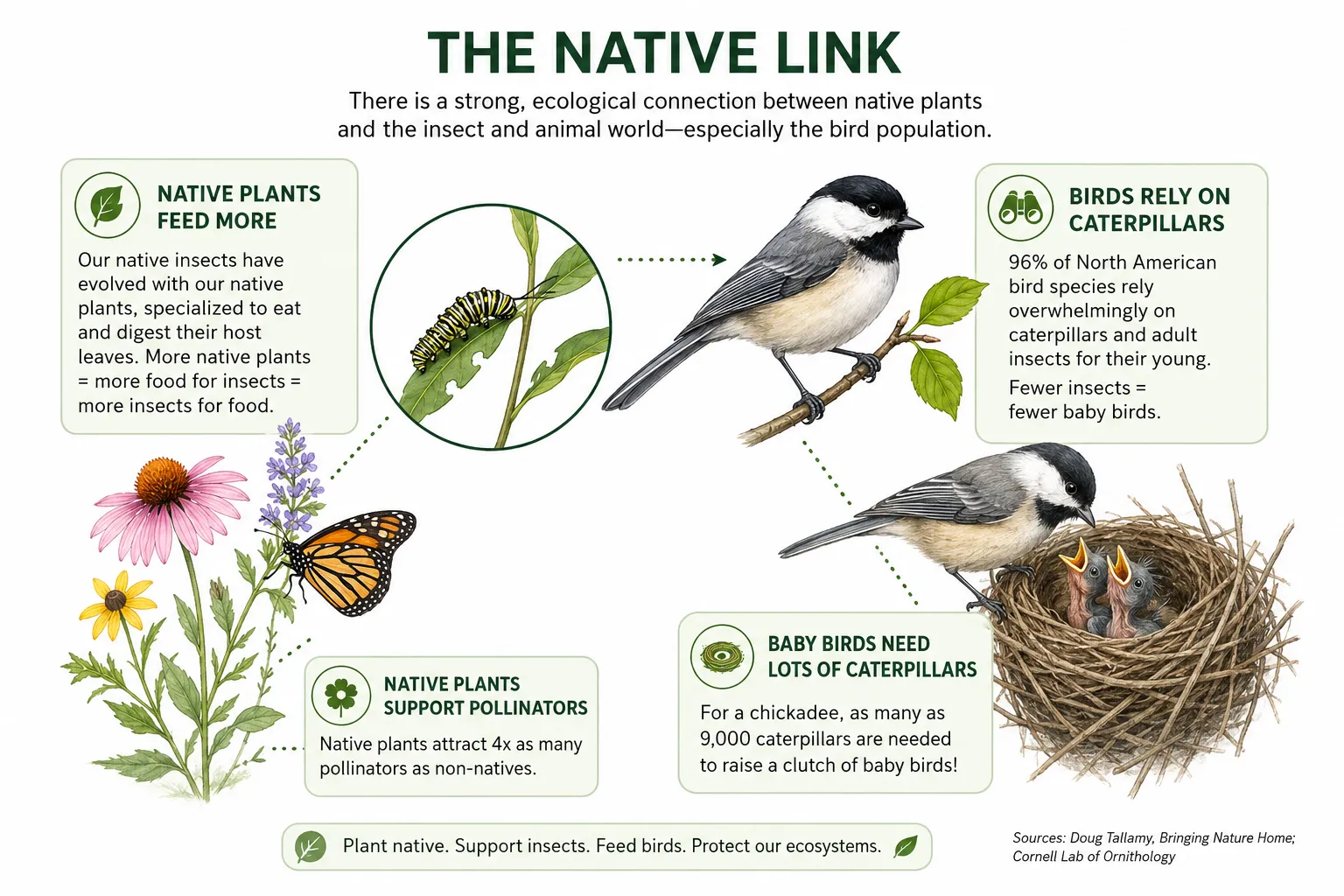
One of the most important relationships in nature exists between native plants and the insects that depend on them. Most songbirds feed their young almost entirely insects—especially caterpillars. Those caterpillars can only develop on the native plants with which they evolved.
For example, a native oak tree can support more than 500 species of moths and butterflies, while many commonly planted ornamental trees support only a small fraction of that number. Fewer native plants mean fewer insects, leaving many birds without enough food to successfully raise their young.
By planting native species, homeowners help restore this essential connection between plants, insects, birds, and the entire watershed ecosystem.
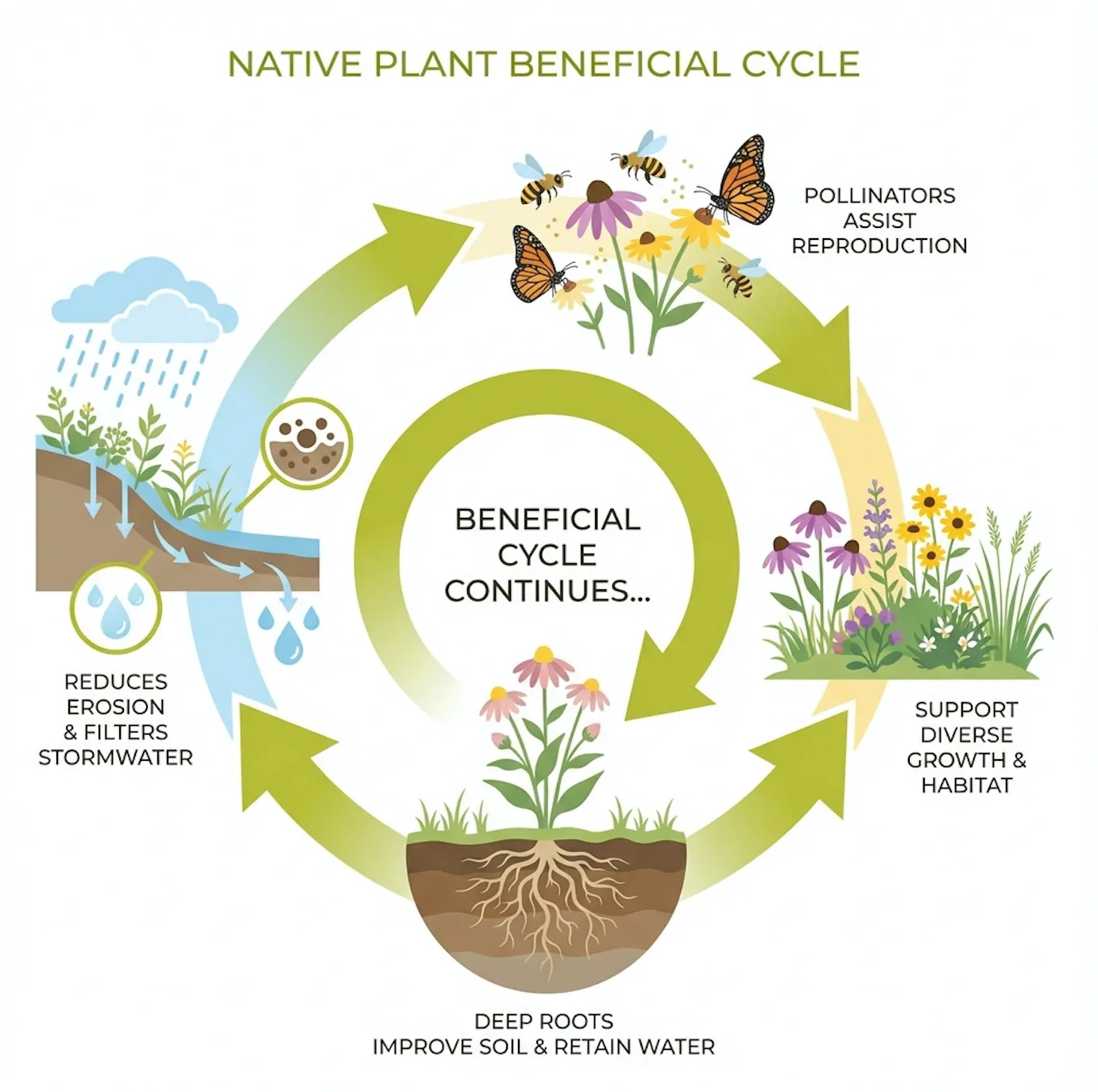
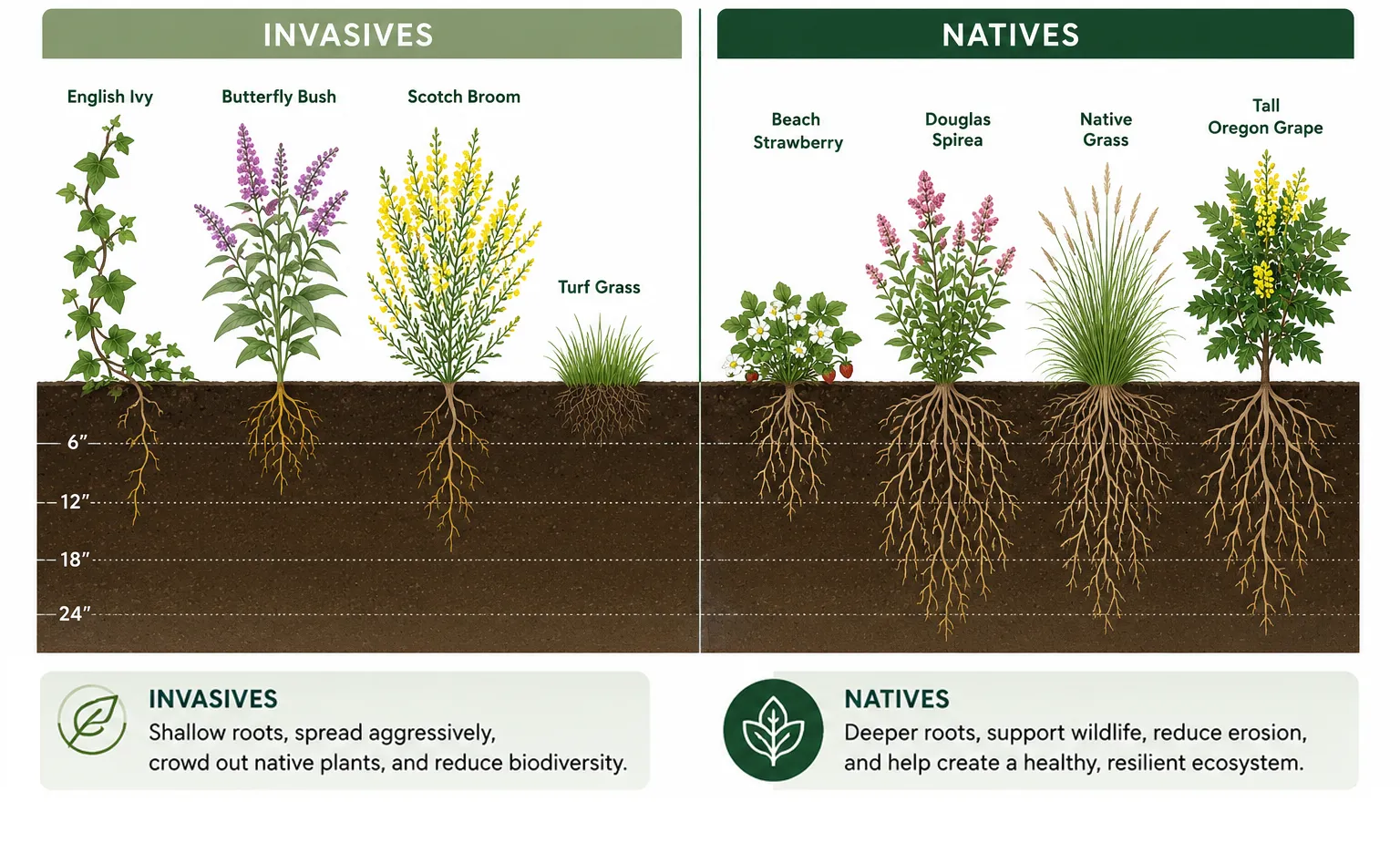
Native plants don't just benefit wildlife—they also protect our streams.
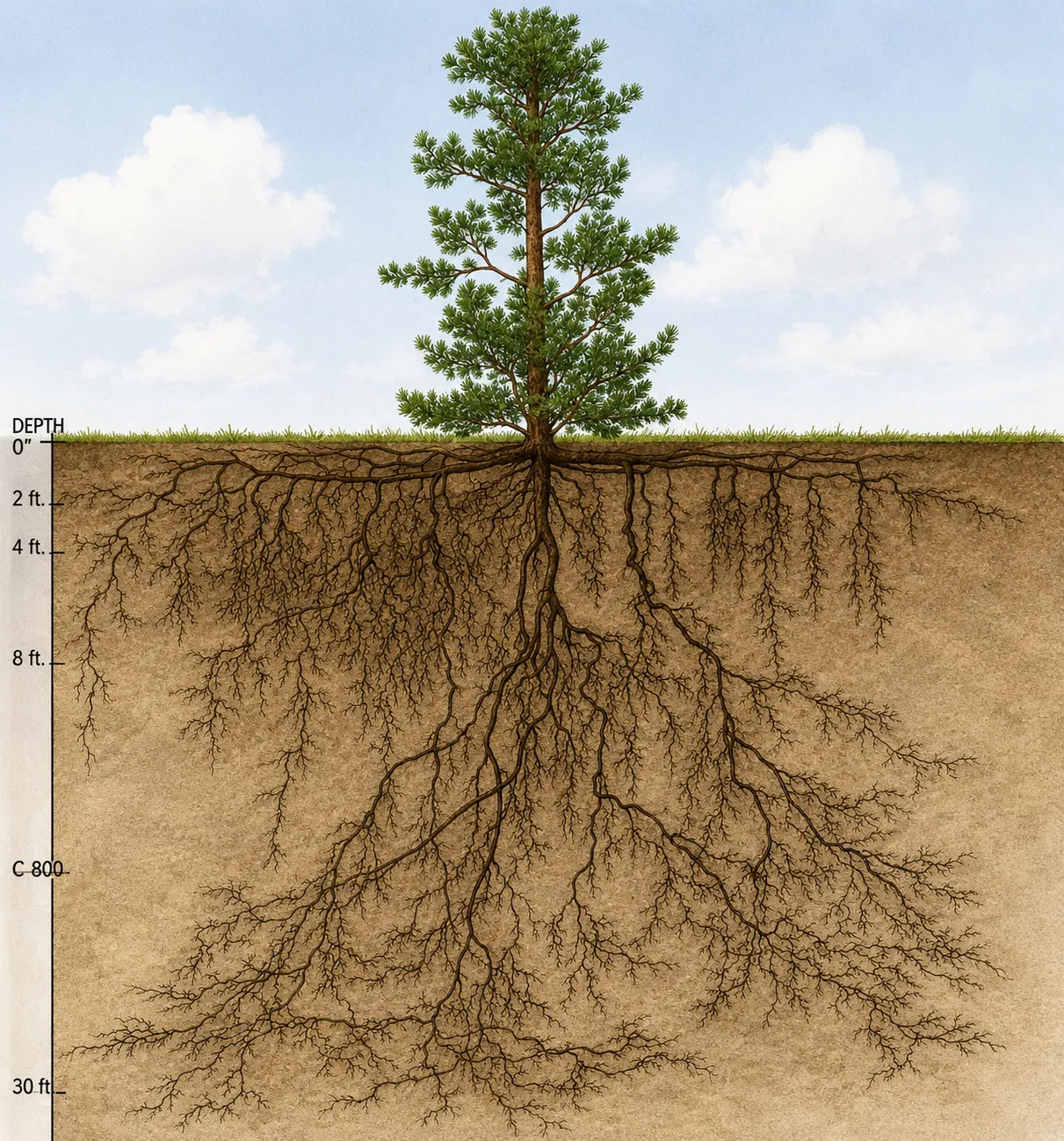
Unlike shallow-rooted lawns and many ornamental plants, native species develop deep root systems that allow rainwater to soak into the soil instead of rushing across the surface.
This helps:
• Reduce flooding after heavy storms • Stabilize streambanks and reduce erosion • Filter sediment and pollutants before they enter waterways • Recharge groundwater • Improve the health of Paunacussing Creek and the Delaware River
Healthy landscapes create healthier streams.
You don't need to redesign your entire landscape overnight. Even small changes can make a meaningful difference.
Consider starting with one simple project:
• Plant one native tree.
• Replace one invasive shrub.
• Add native flowers.
• Leave seed heads through winter.
• Remove invasives each season.
When many homeowners make small improvements, the entire watershed benefits.
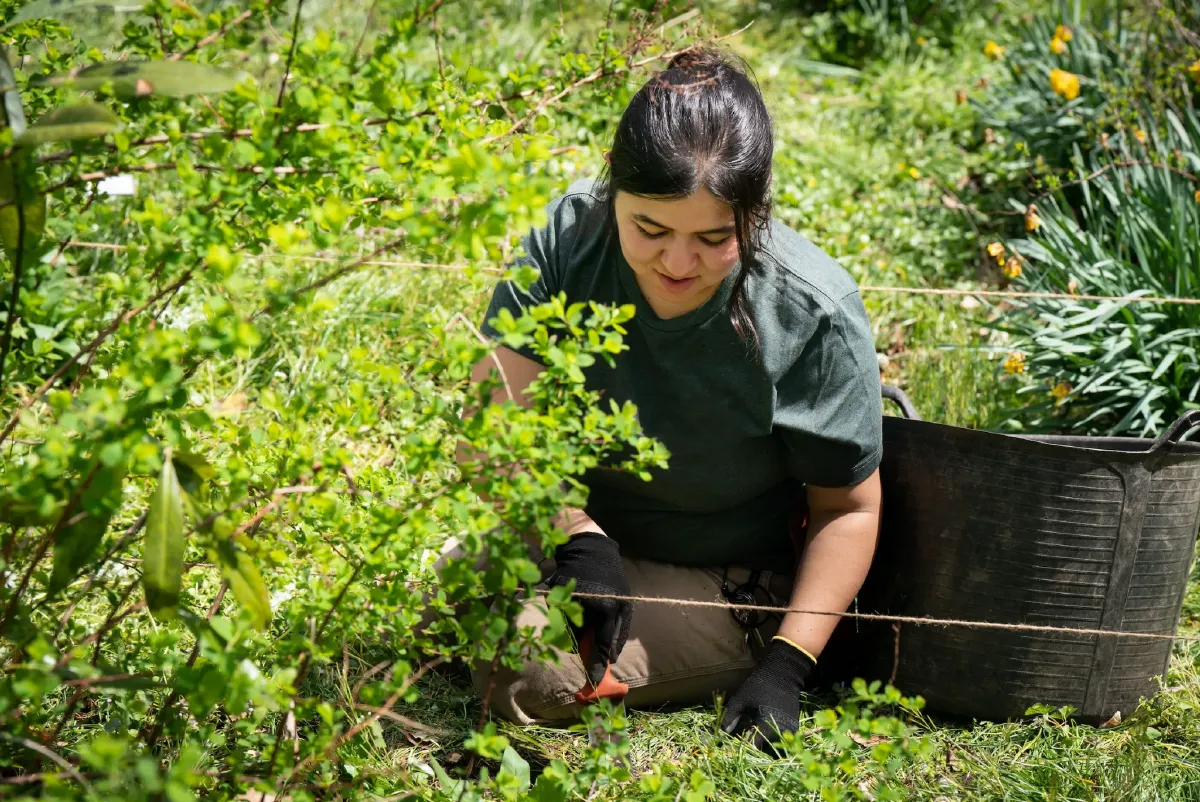
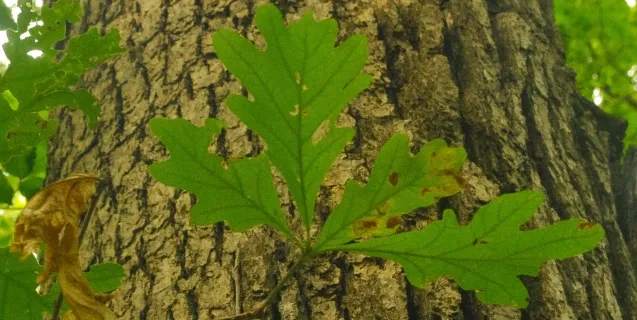
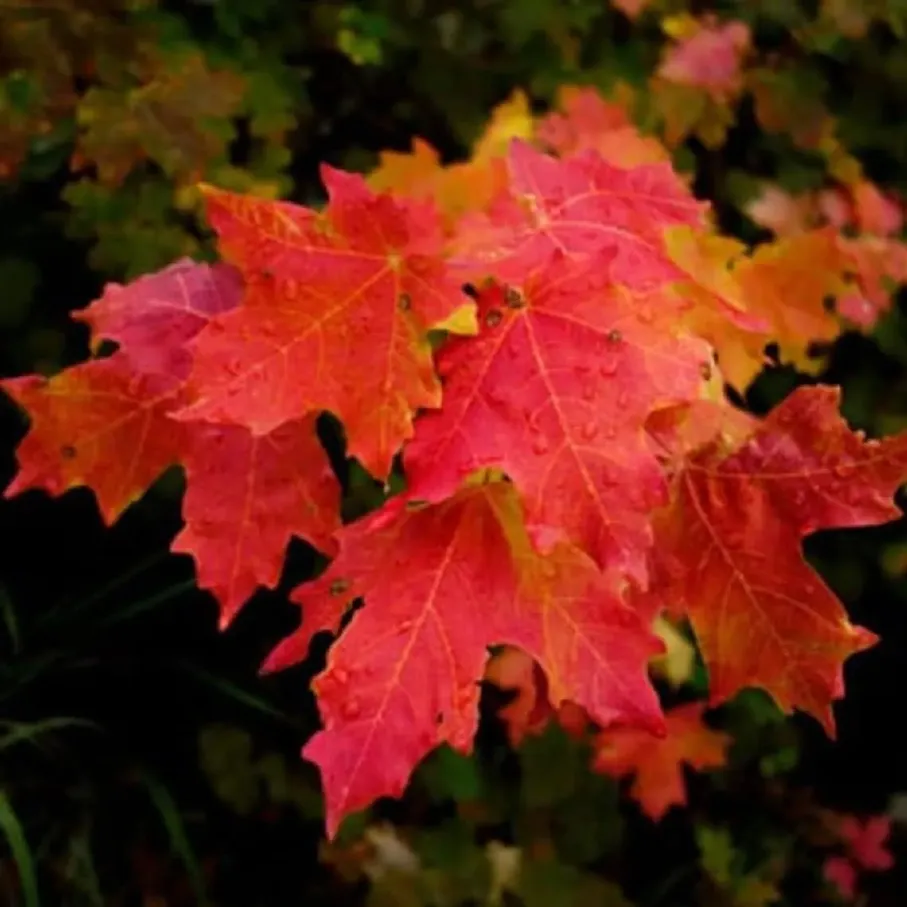
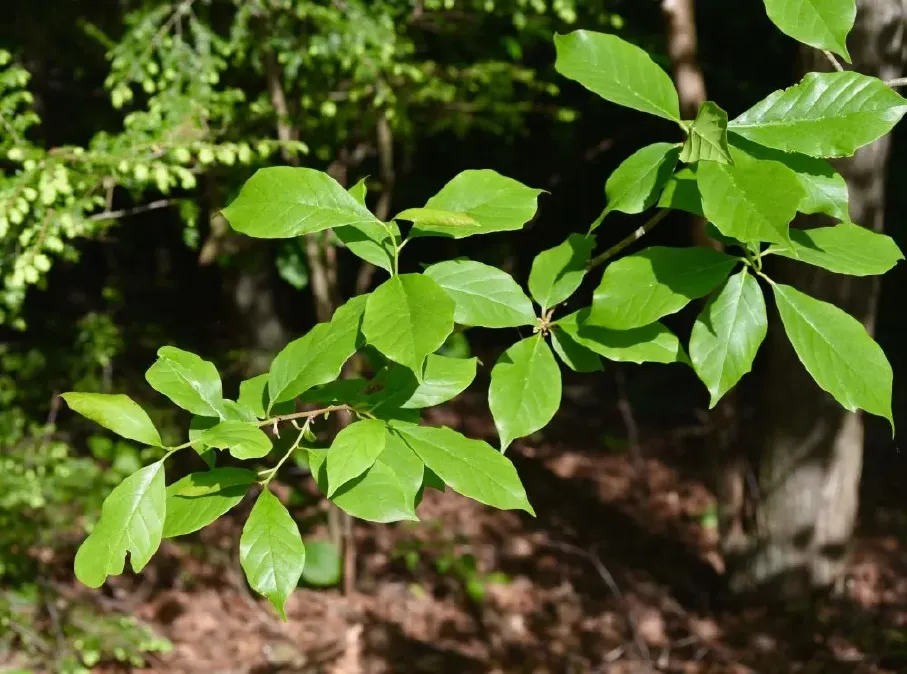
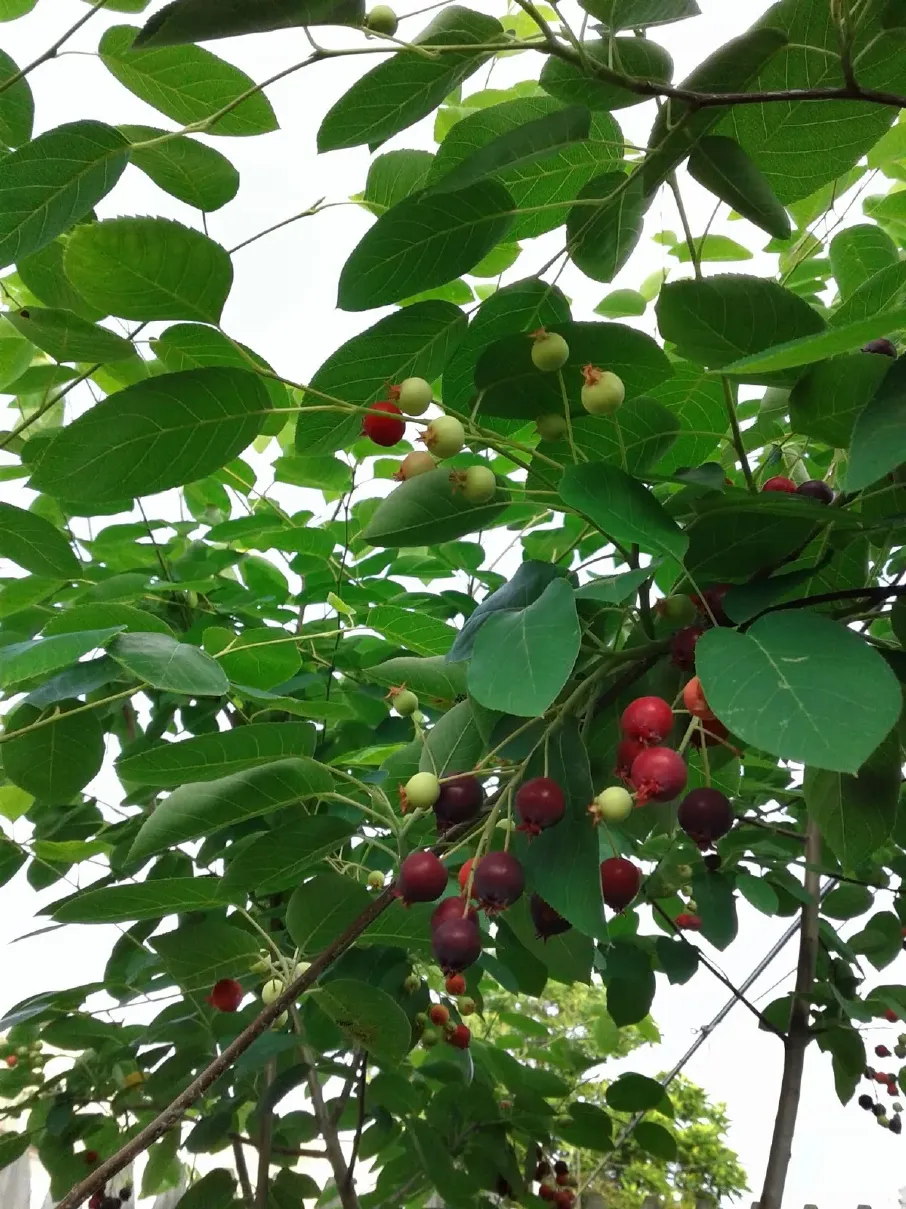
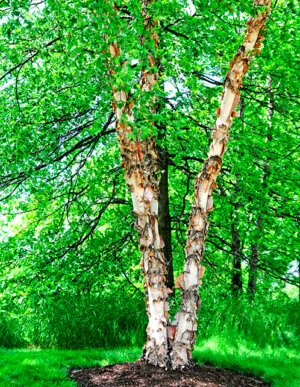
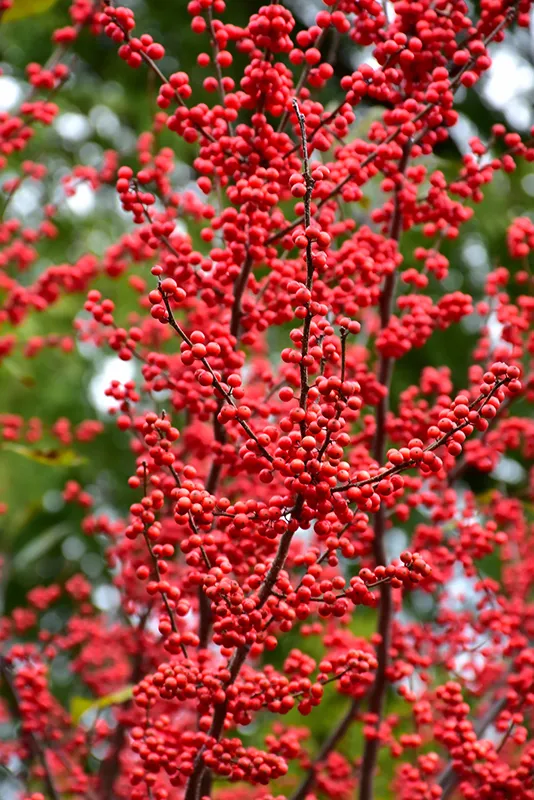
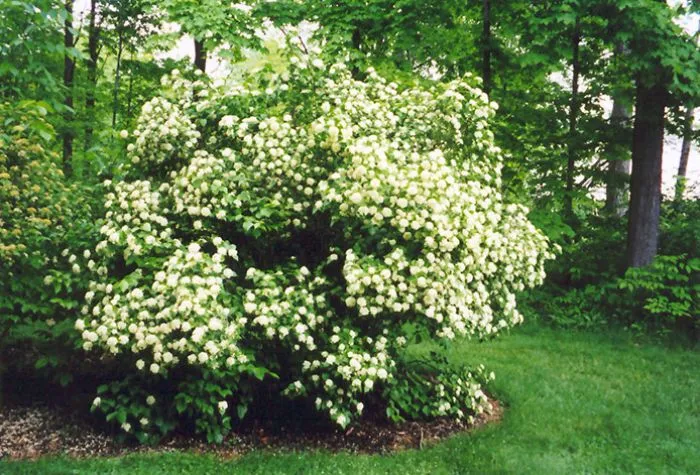
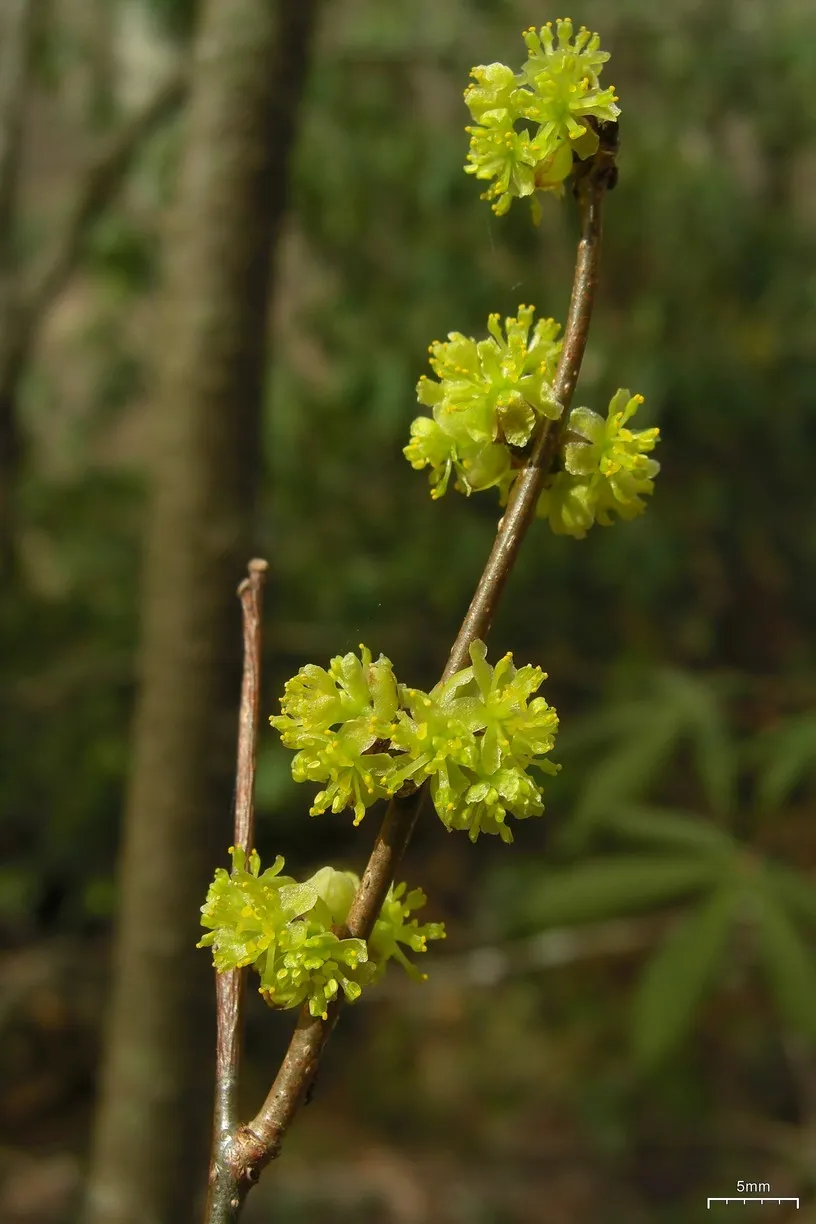
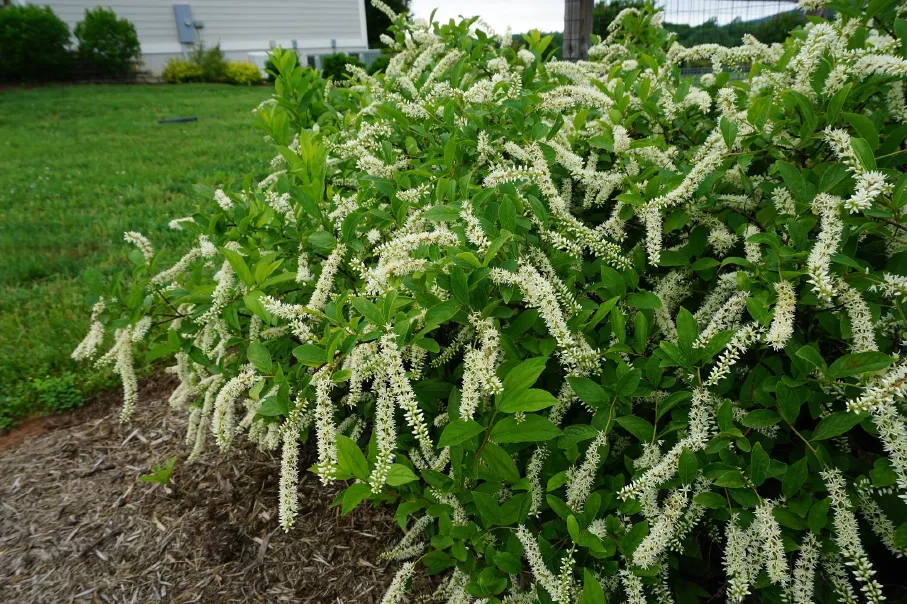
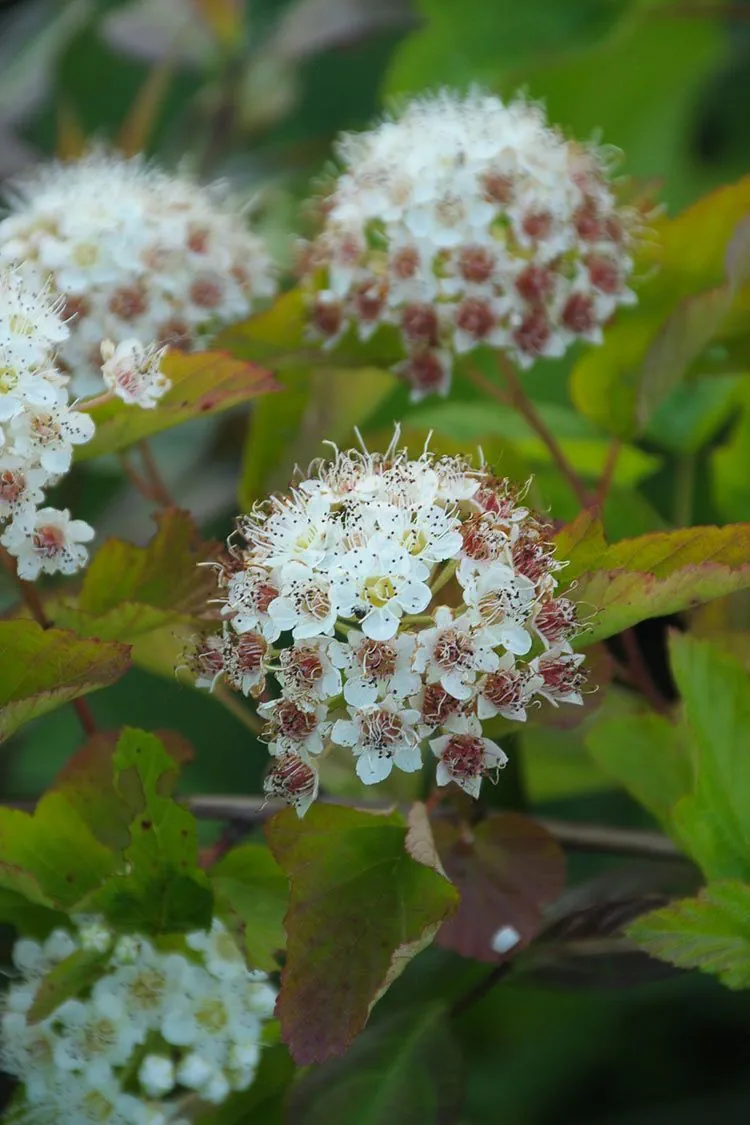
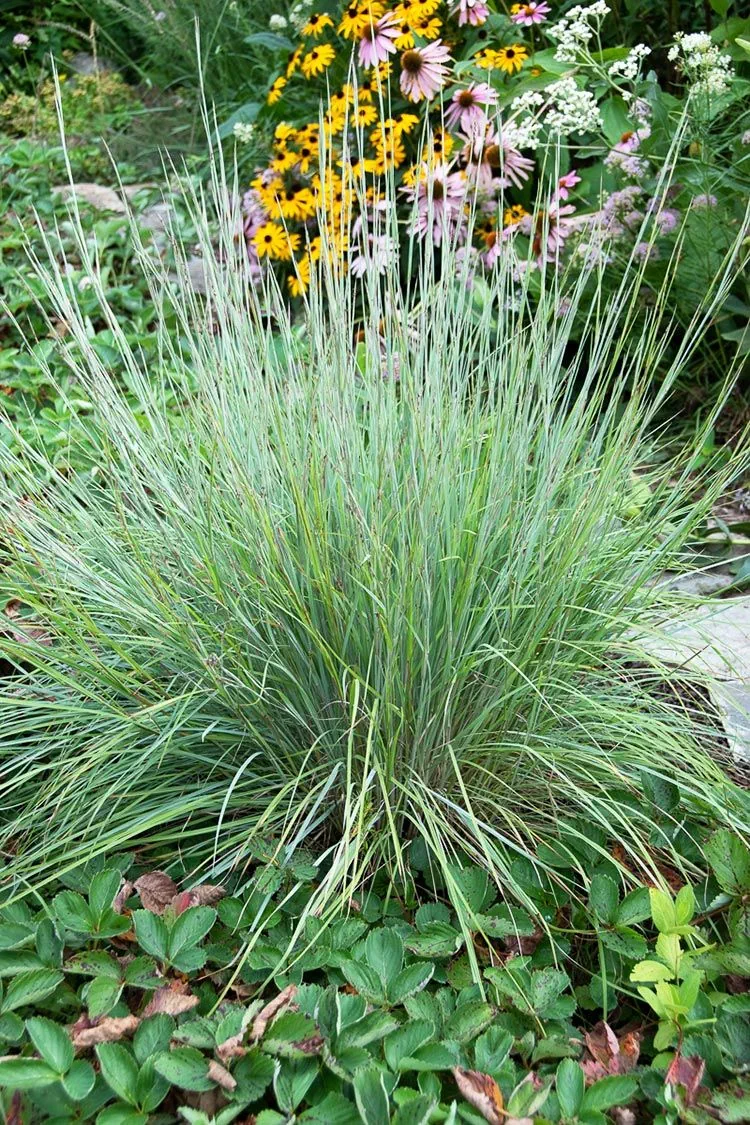
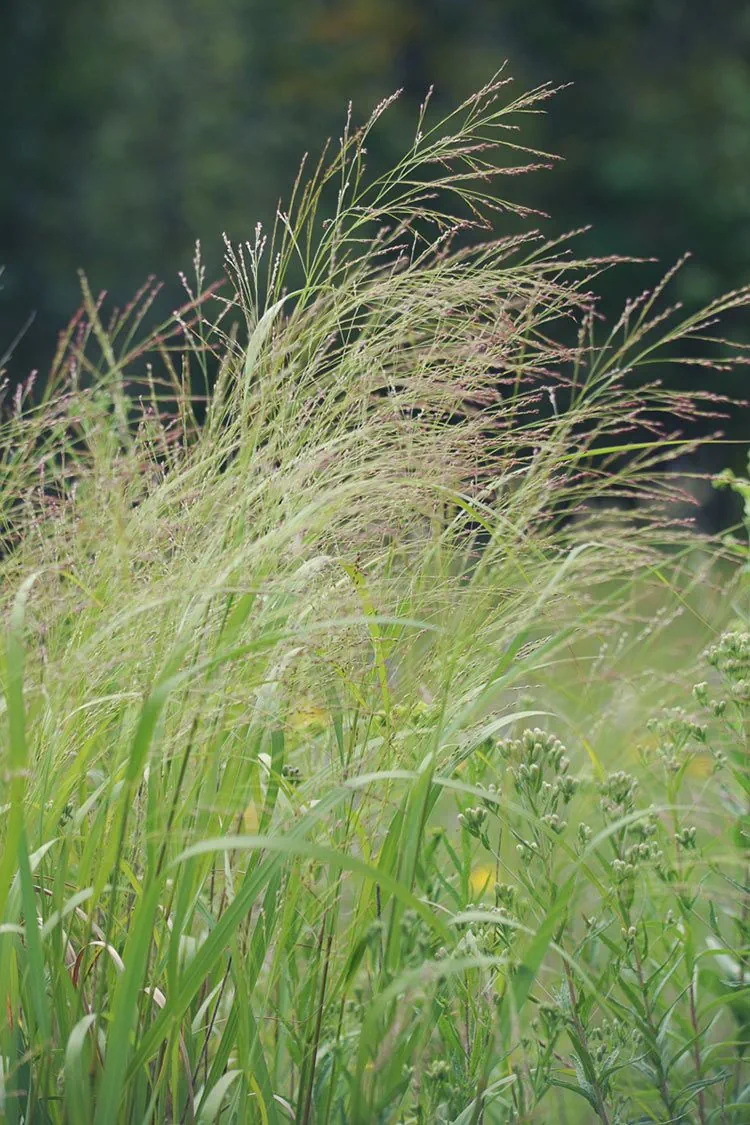
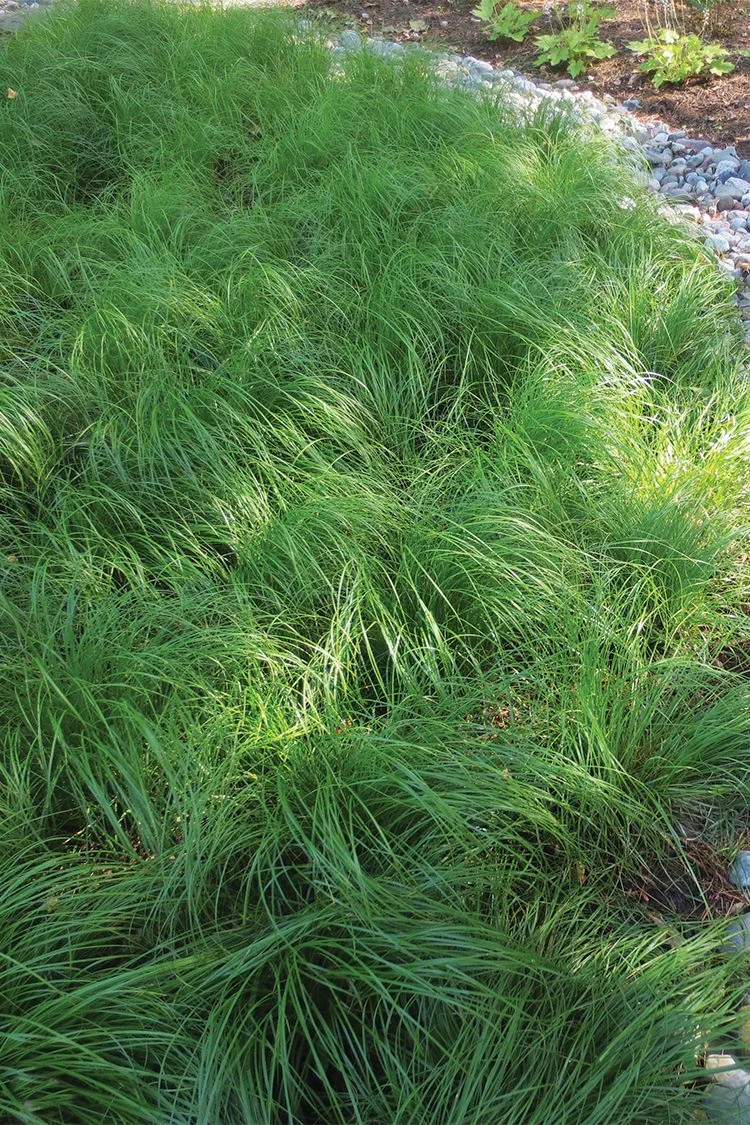
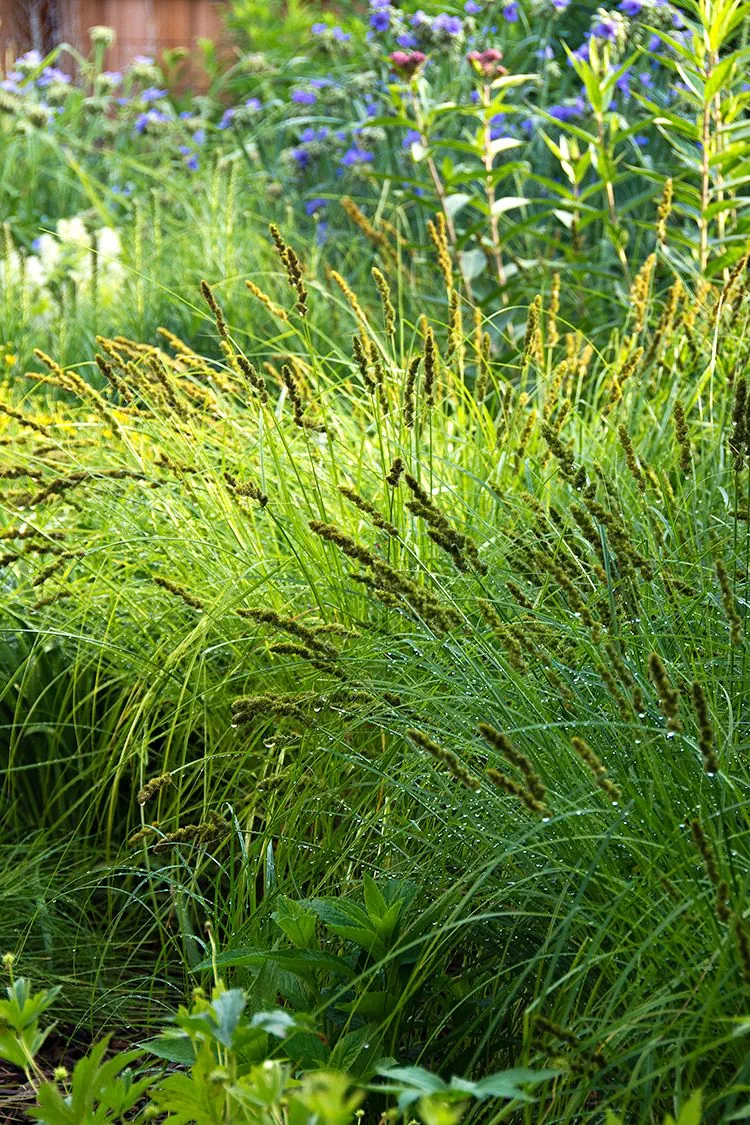
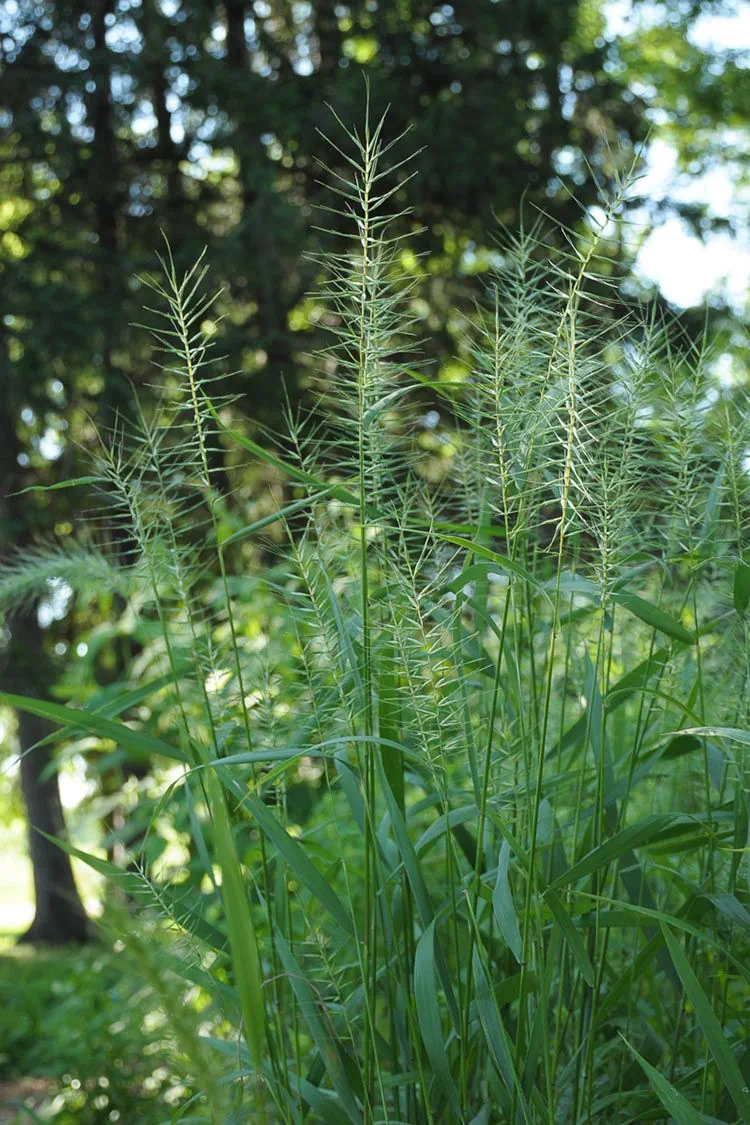
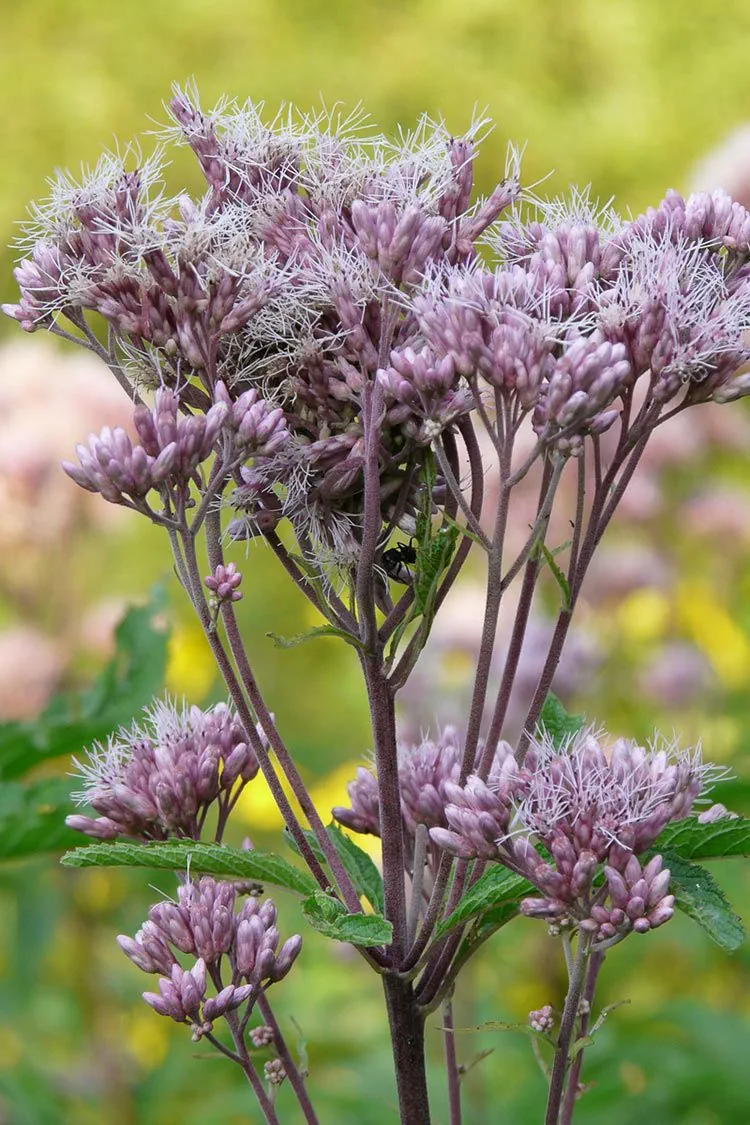
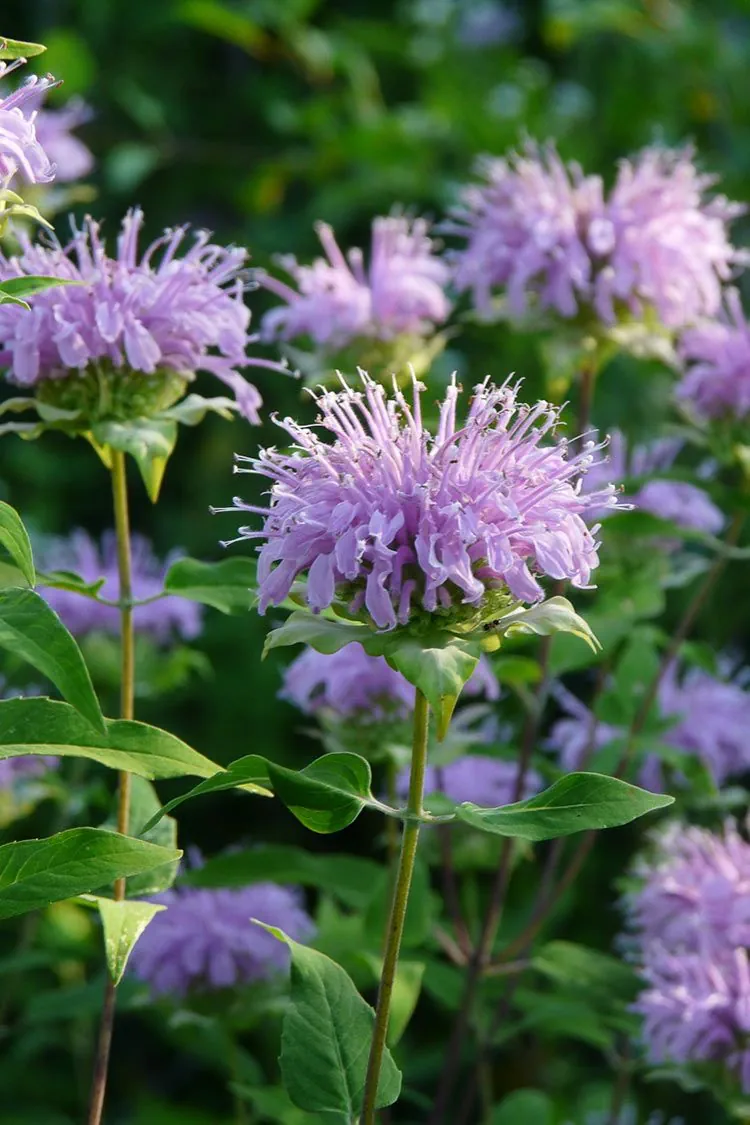
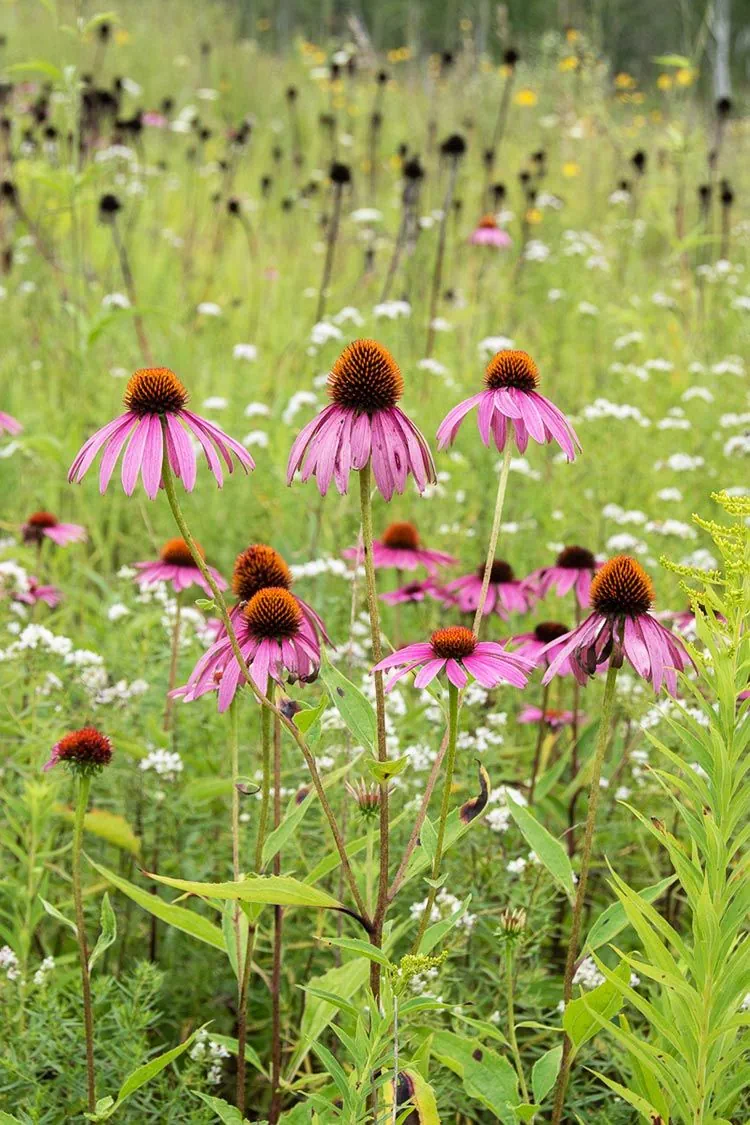
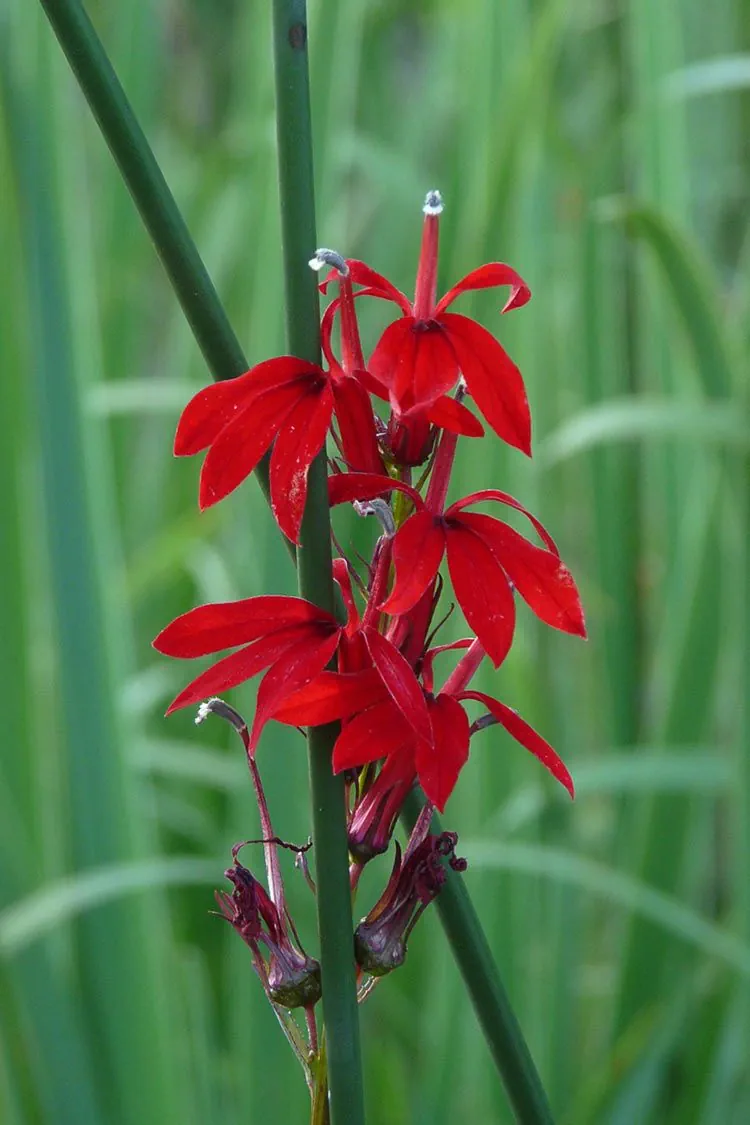
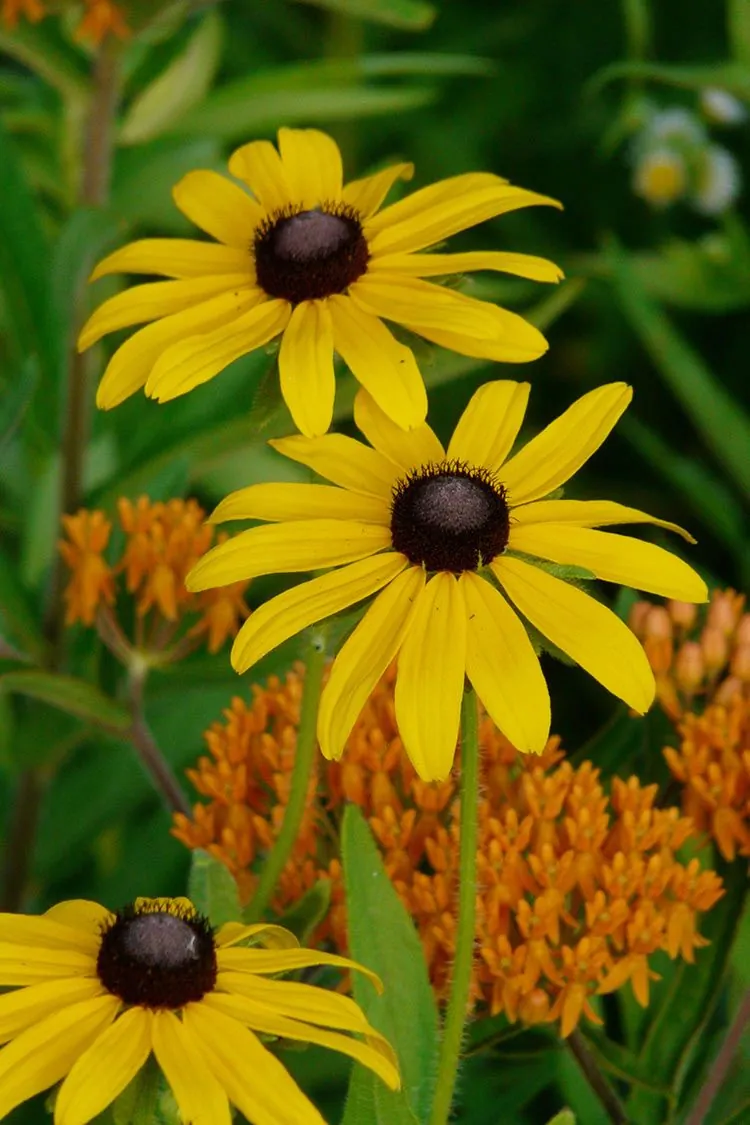
Looking for a place to start? These native trees, shrubs, grasses, and wildflowers perform well throughout Bucks County and provide exceptional benefits for birds, pollinators, and clean water.
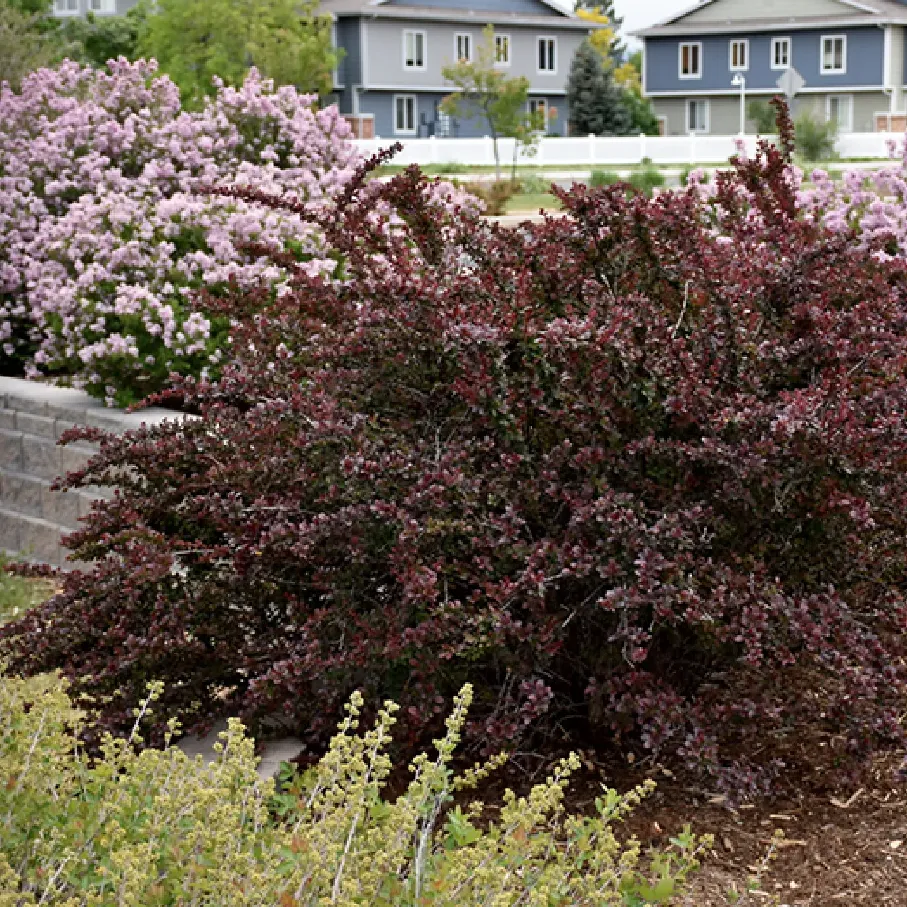
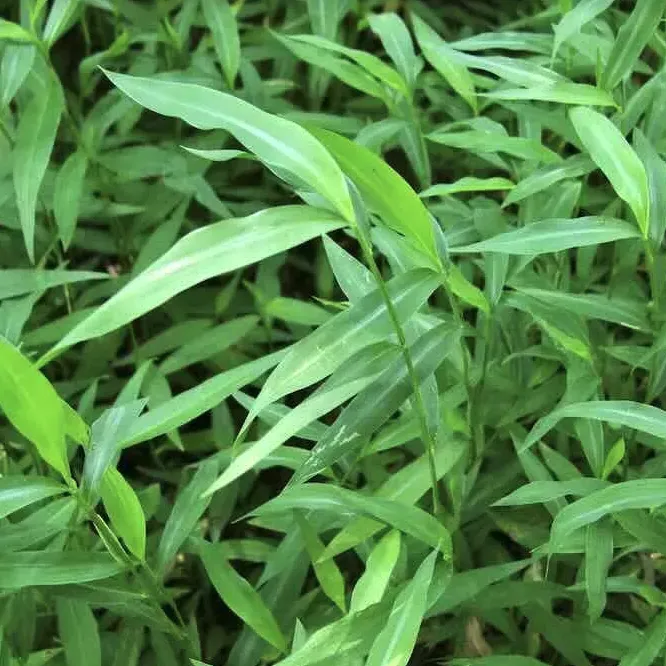
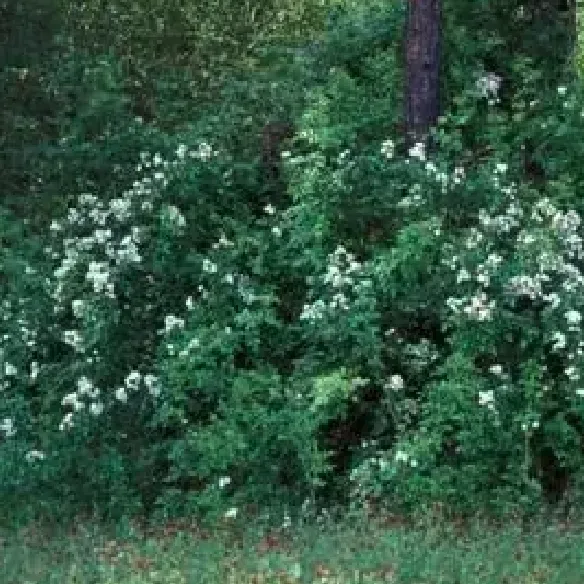
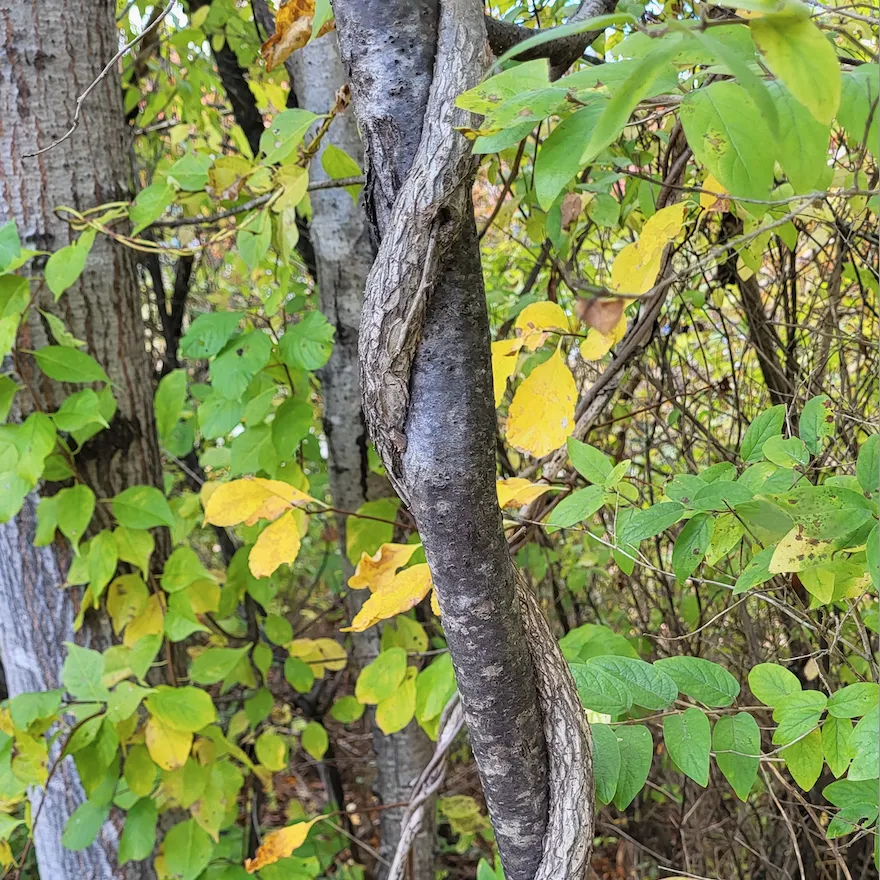
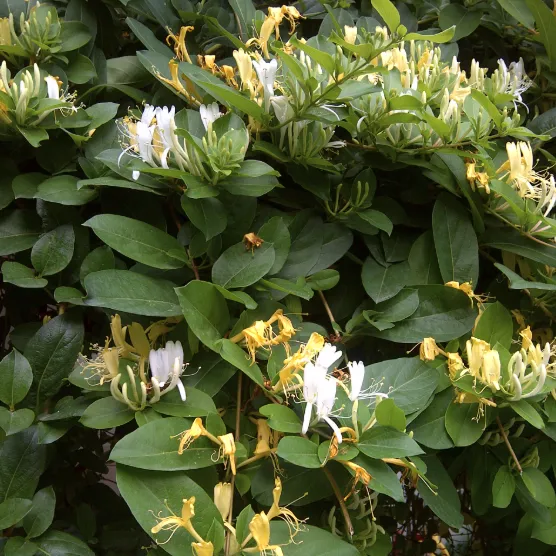
Several ornamental plants commonly found in Pennsylvania landscapes have become invasive and threaten native habitats. Examples include:
Whenever possible, consider replacing these species with native alternatives that provide greater ecological benefits while remaining beautiful additions to your landscape.
Every native tree planted, invasive shrub removed, or pollinator garden created helps improve water quality, reduce flooding, and restore wildlife habitat.
Together, thousands of small actions create healthier streams, healthier forests, and a healthier Paunacussing Watershed.
Native plant roots can extend 8–15 feet into the soil, helping absorb stormwater and reduce erosion.
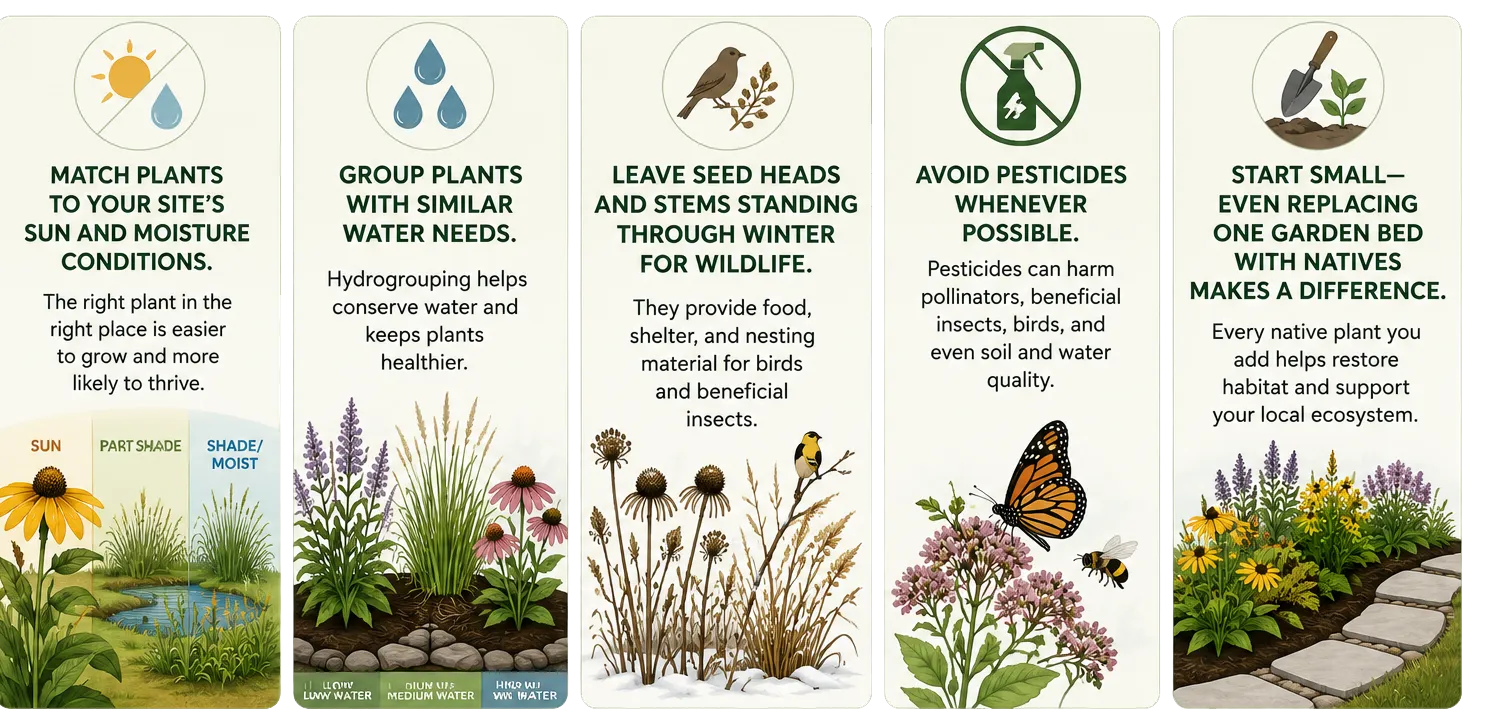
Simple steps that help your native garden thrive and support wildlife all year long. Small choice make a big impact. Plant native and support wildlife.
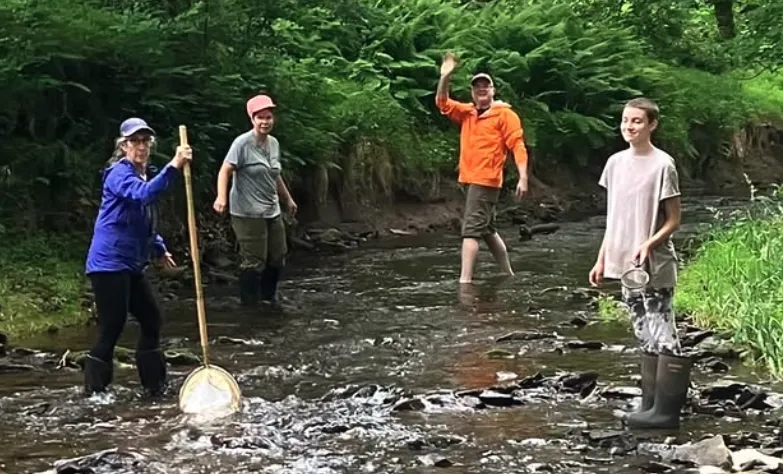
Every membership, donation, and volunteer effort helps protect clean water, healthy habitats, and our community for future generations.
Home About Learning Center News & Events Get Involved Contact
Volunteer-led 501(c)(3) nonprofit organization
Protecting and restoring the Paunacussing Watershed through stewardship, restoration, education, and community engagement.
Donations are tax deductible.