Success message
Error message
Every Property Matters
20 Simple Ways to Protect the Paunacussing Watershed
Small choices around your home can reduce flooding, improve water quality, support wildlife, and help protect Paunacussing Watershed.
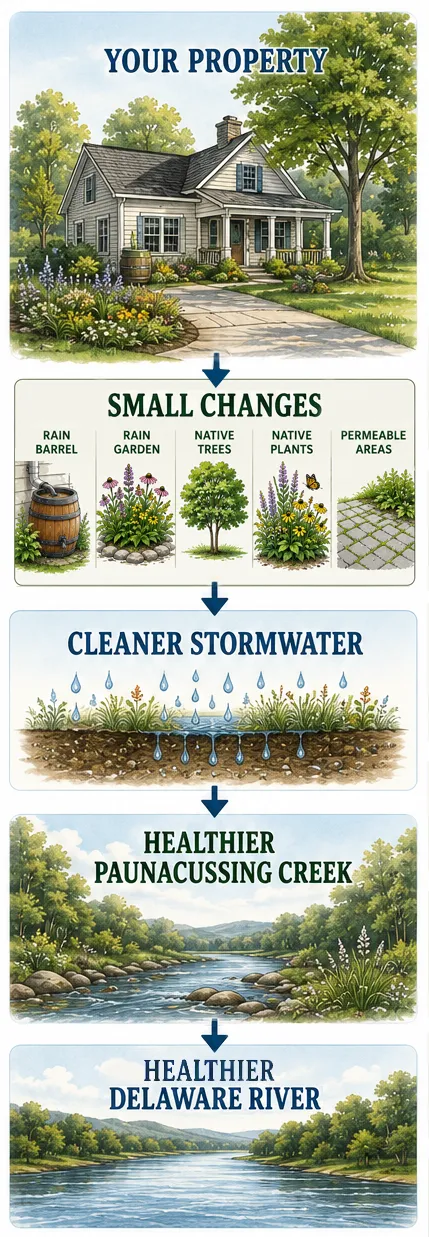
Rain that falls on your roof, driveway, lawn, and garden eventually flows toward nearby streams. Along the way, it can carry soil, fertilizers, pesticides, oil, pet waste, and other pollutants into Paunacussing Creek and, ultimately, the Delaware River.
The good news is that every property owner can help. You do not need a large property, a large budget, or specialized knowledge to make a meaningful difference. Simple improvements and everyday habits can keep more rainwater on your property, reduce pollution, create healthier habitat, and protect your home.
Every property matters. Every property owner can make a difference.
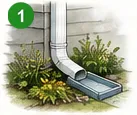
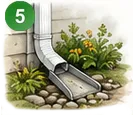
Direct runoff onto lawns, planting beds, or rain gardens.
Reduces flooding and protects your foundation.
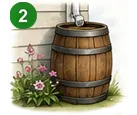
Collect rainwater from your roof to water gardens and shrubs.
Saves water and keeps stormwater out of streams.
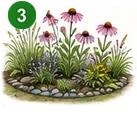
Create a shallow planted area where rainwater can soak in.
Reduces flooding, filters pollution, and supports wildlife.
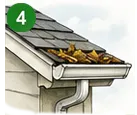
Remove leaves and debris so water flows freely.
Prevents overflows, erosion, and water damage.
Choose permeable material where practical.
Allows rainwater to soak into the ground instead of running off.
These 20 Small Changes are Practical Forms of Watershed Stewardship.
You do not have to complete them all at once. Begin with the ways that make sense for your property, then build on them over time.
Choose trees that naturally belong in our region.
Trees absorb rainfall, reduce runoff, and provide shelter.
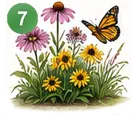
Grow flowers that bloom throughout the season.
Supports bees, butterflies, birds, and other pollinators.
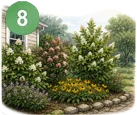
Use shrubs to create layers in your landscape.
Slows runoff and provides food and shelter for wildlife.
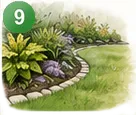
Replace some lawn with native plants, trees, or shrubs.
Requires less mowing, watering, and chemicals.
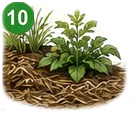
Spread natural mulch around trees and garden plants.
Conserves moisture, protects soil, and reduces erosion.
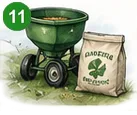
Apply fertilizer only when plants truly need it.
Keeps excess nutrients out of local streams.
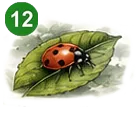
Use natural or least-toxic solutions first.
Protects pollinators, wildlife, and water quality.
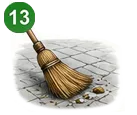
Sweep driveways instead of washing debris away.
Keeps sediment and pollutants out of storm drains.
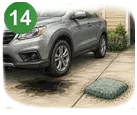
Repair leaks and clean spills with absorbent materials.
Prevents oil and other fluids from reaching streams.

Dispose of pet waste in the trash.
Reduces bacteria and nutrient pollution.
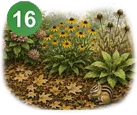
Let fallen leaves decompose beneath trees and shrubs.
Protects soil and provides habitat for beneficial insects.
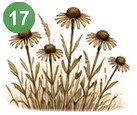
Wait until spring to cut back native flowers and grasses.
Provides food and shelter for birds and pollinators.
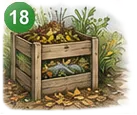
Compost leaves, grass and garden trimmings.
Improves soil and keeps organic material out of landfills.
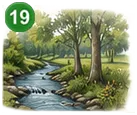
Keep native vegetation along streams.
Filters runoff, reduces flooding, and stabilizes streambanks.

Encourage neighbors to become watershed stewards.
Together, small actions create lasting improvements.
Healthy watersheds begin at home. No single project will restore a stream, but when hundreds of homeowners each make a few simple improvements, those actions add up to cleaner water, healthier wildlife habitat, and a stronger community.
Every property matters. Every homeowner can make a difference.
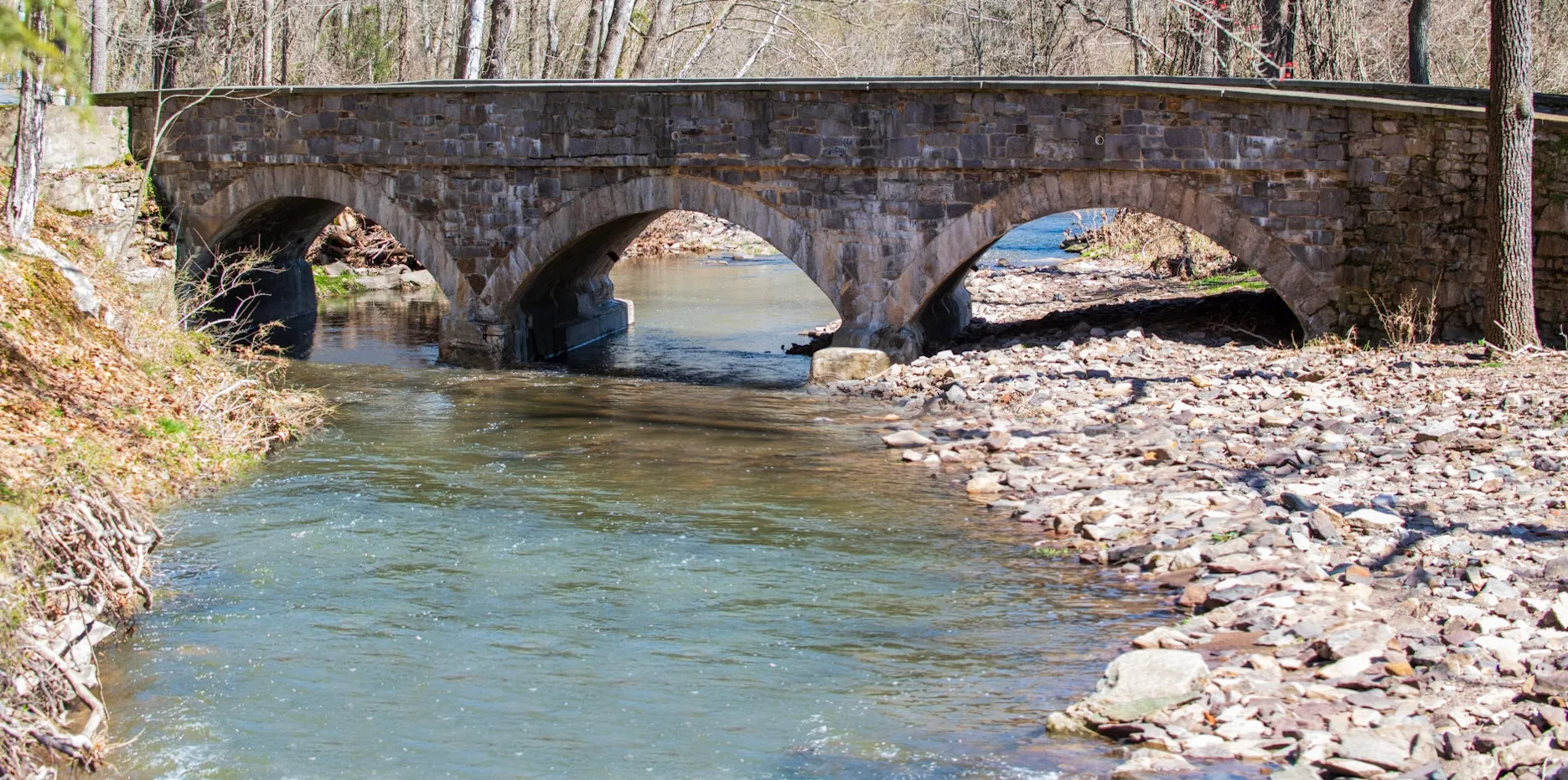
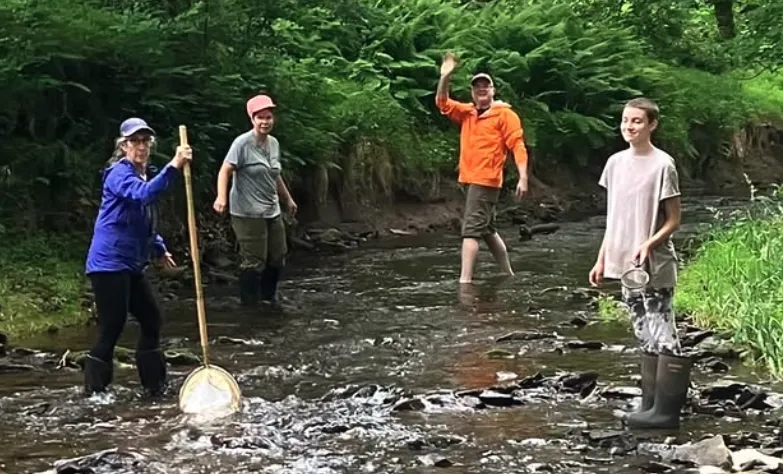
Every membership, donation, and volunteer effort helps protect clean water, healthy habitats, and our community for future generations.
Home About Learning Center News & Events Get Involved Contact
Volunteer-led 501(c)(3) nonprofit organization
Protecting and restoring the Paunacussing Watershed through stewardship, restoration, education, and community engagement.
Donations are tax deductible.