
Success message
Error message
Flooding & Stormwater
Every roof, driveway, and yard affects where rainwater goes. Learn simple ways to reduce flooding, protect your property, and keep Paunacussing Creek healthy.
Flooding is becoming more common as heavy rainstorms become more frequent and more land is covered by roofs, roads, driveways, and parking lots. Instead of soaking into the ground, rainwater quickly runs into nearby streams, causing higher water levels, faster flows, erosion, and poorer water quality. Small changes across many properties can make a big difference.
In the Paunacussing Watershed, even small increases in runoff can overwhelm streams during heavy storms, increasing erosion and downstream flooding.
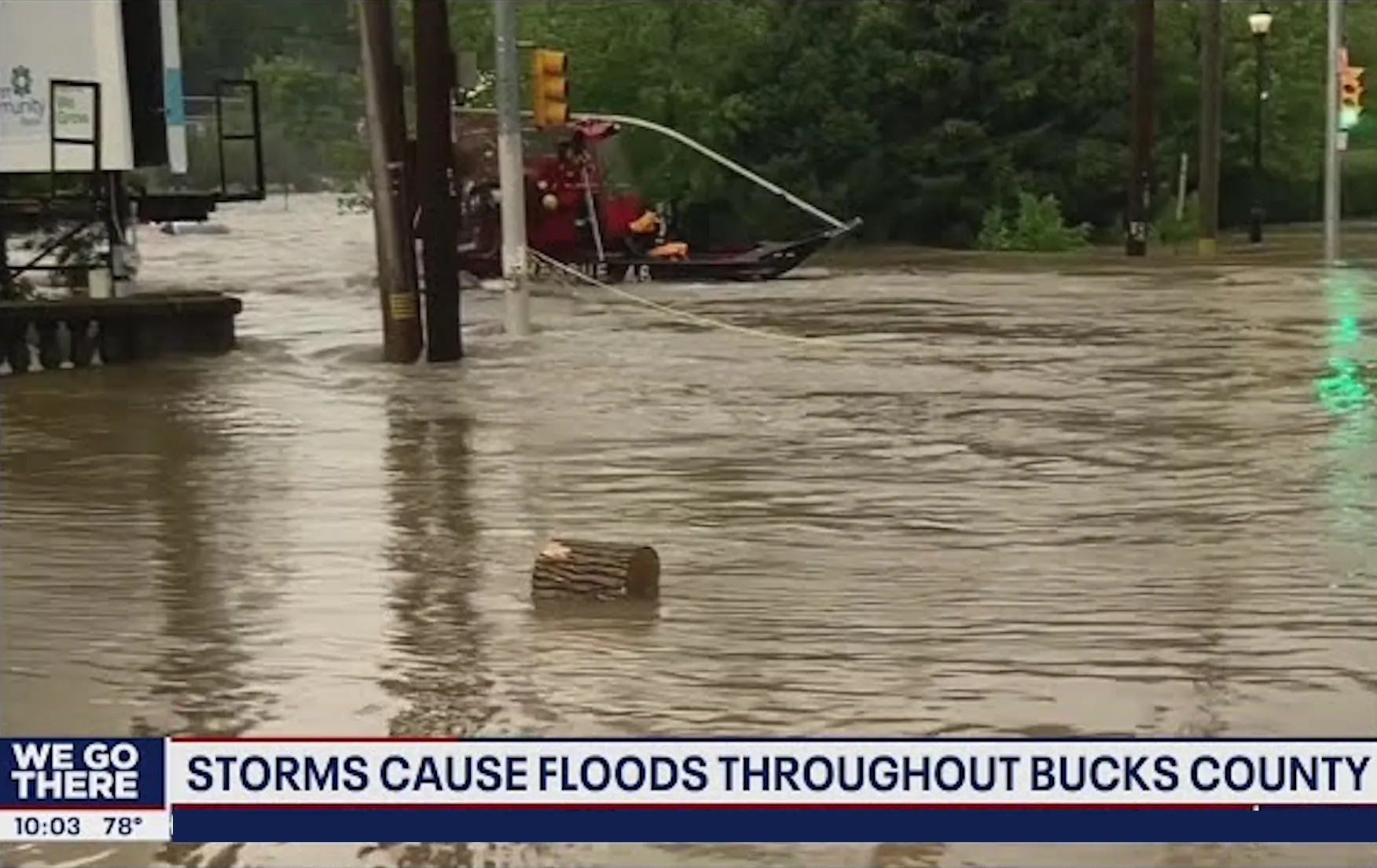
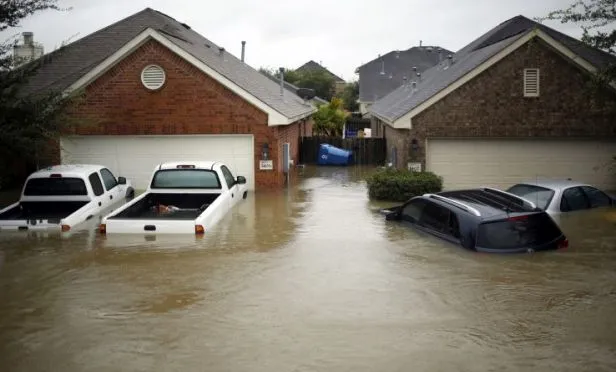
Water flows across paved surfaces instead of soaking into the ground.
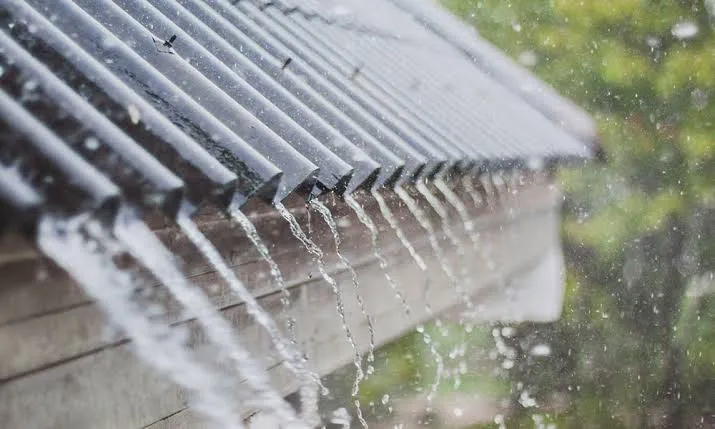
Rain runs quickly into gutters, downspouts, and storm drains.
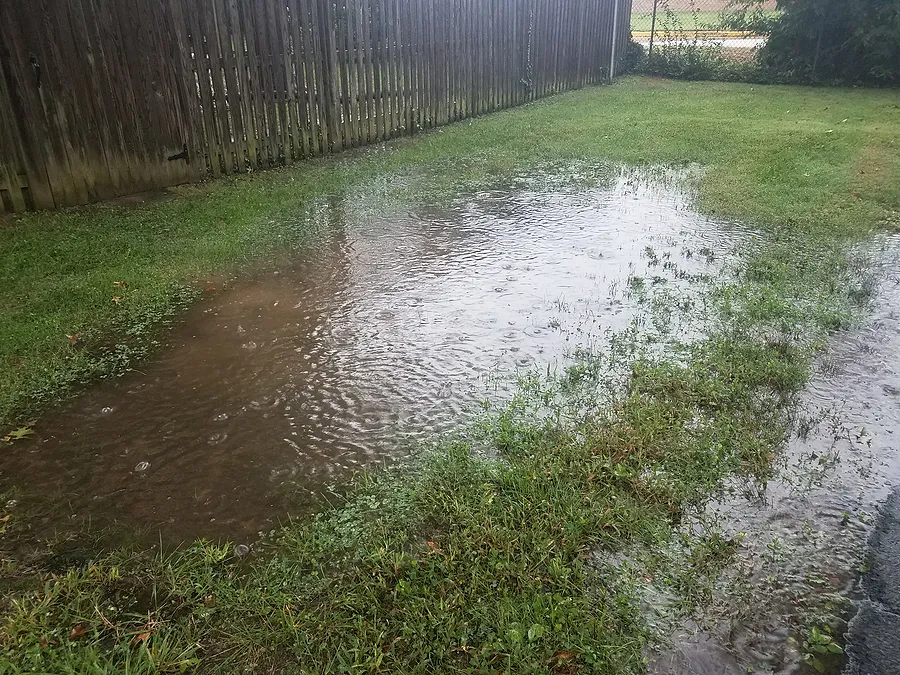
Hard soil prevents rainwater from soaking in.
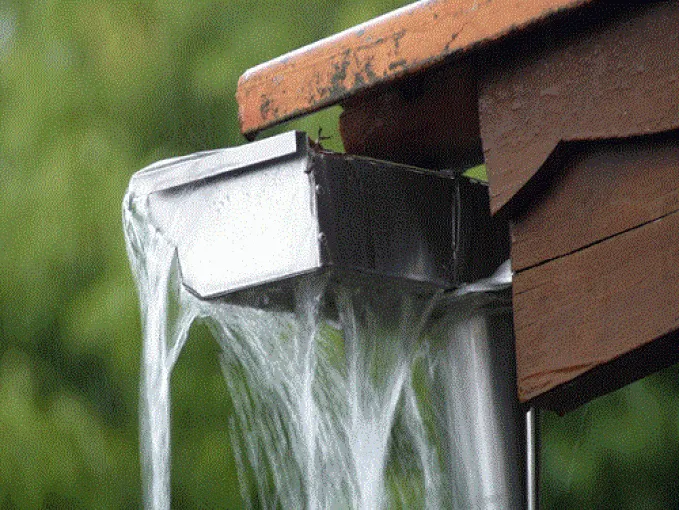
Overflow sends water toward foundations and nearby streams.
Common Sources of Stormwater Runoff
Healthy stream corridors, native vegetation, and responsible land stewardship improve water quality, reduce erosion, and build resilience to flooding throughout our community.
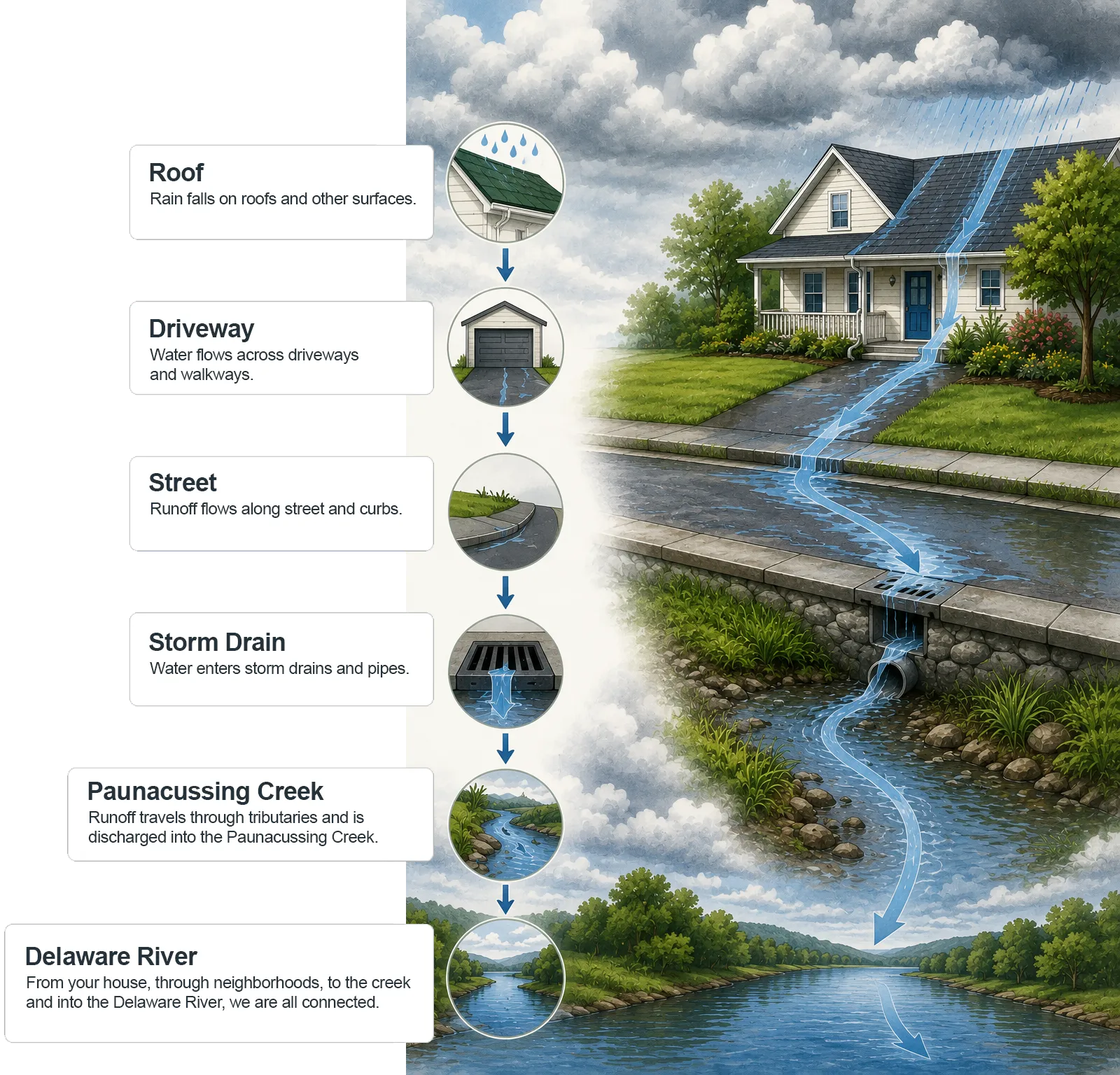
Rain that falls on roofs, driveways, streets, and sidewalks becomes stormwater runoff.
Instead of soaking into the ground, it carries soil, fertilizer, oil, trash, and other pollutants into storm drains, local streams, Paunacussing Creek, and eventually the Delaware River.
Every property is connected to the watershed—and the choices we make at home affect everyone downstream.
Small changes on many properties add up to cleaner water and a healthier watershed.

Plant natives to intercept rainfall, increase infiltration, stabilize soil, and provide wildlife habitat.

Capture runoff from roofs and driveways while creating beautiful habitat for birds and pollinators.

Collect rainwater for gardens while reducing the amount of runoff leaving your property.

Redirect downspouts onto lawns, rain gardens, or landscaped areas instead of driveways or sidewalks.
Learn More
Smart choices at home to keep our neighborhoods and waterways cleaner, safer, and more resiliant. Togther we can make a bigger impact with small choices to reduce flooding and protect our watershed.
In an Emergency
Call 911 immediately if someone is in danger, trapped by floodwaters, or needs emergency medical assistance.
Report Local Flooding
Contact Solebury Township to report: • Flooded roads • Blocked storm drains or culverts • Downed trees • Damage to public infrastructure
If Your Property Has Flooded
• Stay out of standing water if electricity may be present. • Photograph damage before cleanup. • Contact your insurance company. • Check with Solebury Township before major repairs if permits are required.




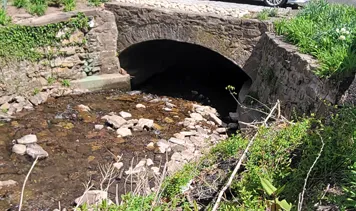
No single yard causes flooding—but thousands of small choices add up. Capturing rain where it falls helps reduce erosion, protect streams, improve water quality, recharge groundwater, and lessen flooding throughout the watershed.
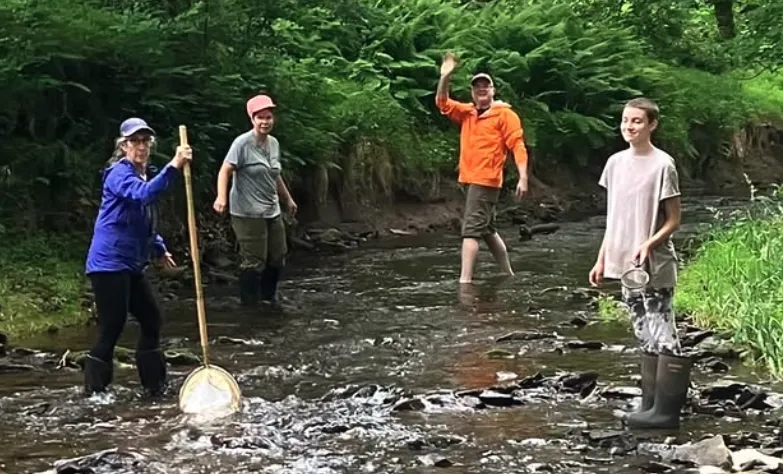
Every membership, donation, and volunteer effort helps protect clean water, healthy habitats, and our community for future generations.
Home About Learning Center News & Events Get Involved Contact
Volunteer-led 501(c)(3) nonprofit organization
Protecting and restoring the Paunacussing Watershed through stewardship, restoration, education, and community engagement.
Donations are tax deductible.