
Success message
Error message
Composting
Turn Food Scraps and Yard Waste into Healthy Soil
Reduce waste, improve soil and help protect the Paunacussing Watershed.
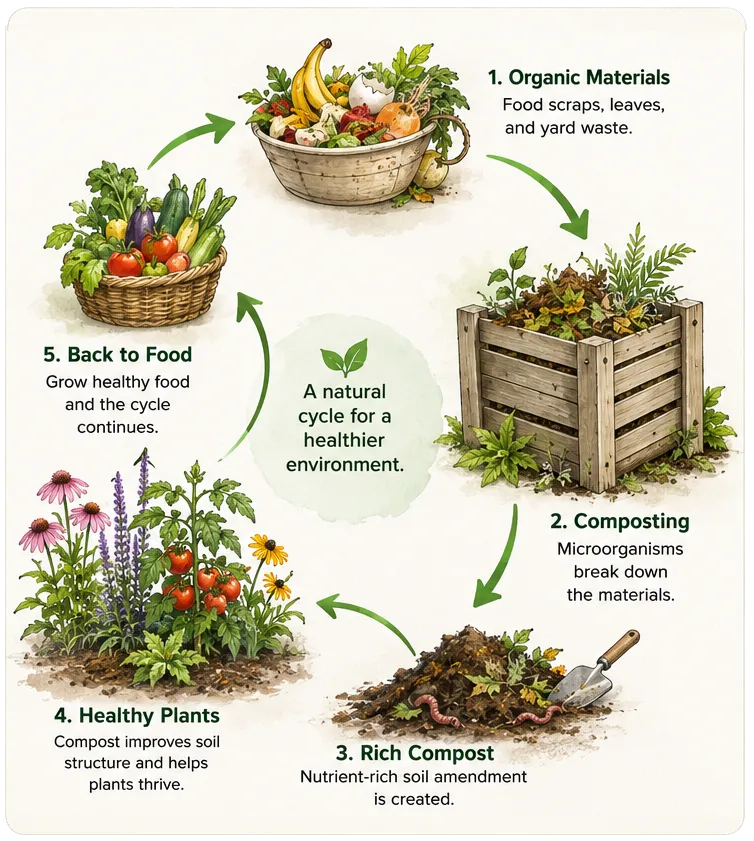
Nature's Way of Recycling
Leaves fall to the forest floor. Plants decompose. Nutrients return to the soil. New plants grow.
Composting simply speeds up this natural process by turning yard waste and many food scraps into a rich, nutrient-filled soil amendment that improves gardens, landscapes, and lawns.
Every compost pile keeps organic material out of landfills while returning valuable nutrients back to the earth.
Returns nutrients naturally.
Reduces watering during dry periods.

Keeps valuable organic material out of landfills.

Feeds earthworms and beneficial organisms.

Organic waste in landfills creates methane.
Benefits of Composting
Five simple reasons composting benefits your garden and the watershed.
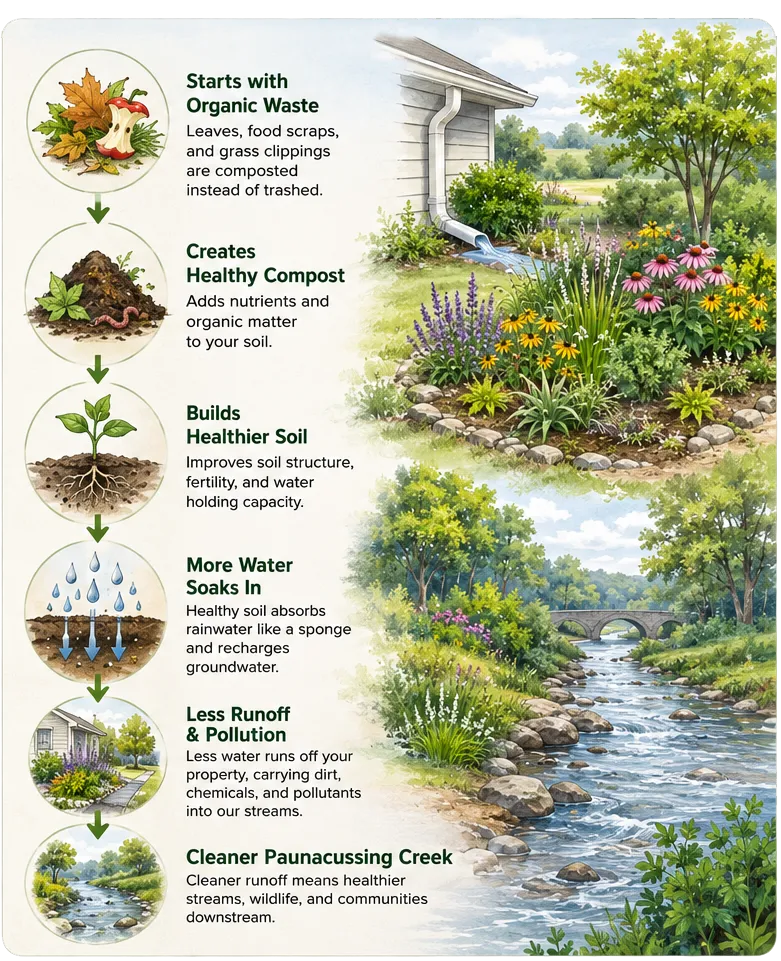
Compost improves soil so it absorbs more rainwater and reduces runoff. Healthier soil means healthier plants, cleaner streams, and less organic waste sent to landfills. Every compost pile helps protect the Paunacussing Creek.
Whether you use a simple pile, a wire bin, or a tumbler, composting works the same way: combine organic materials, provide air and moisture, and let nature do the work.
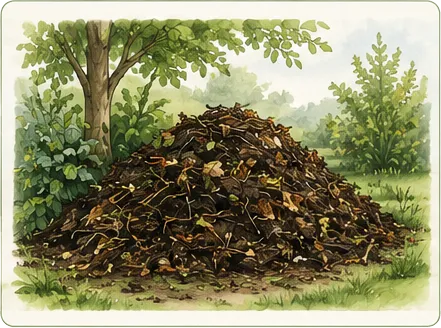
The simplest option — Just pile your materials directly on the ground.
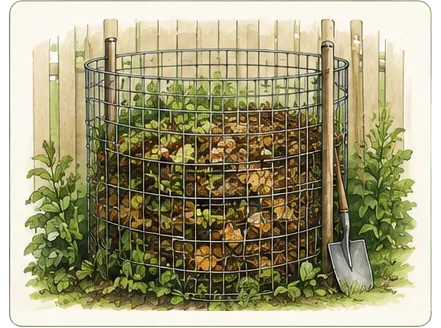
A simple enclosure keeps materials contained while allowing airflow.
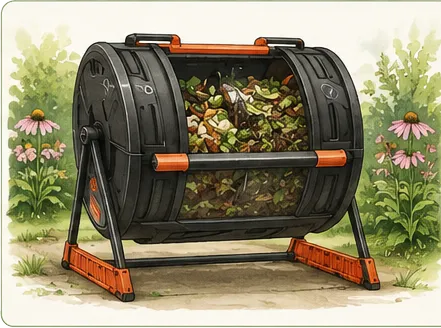
A rotting bin makes it easy to mix materials and speeds up composting.
Most backyard compost systems require only a few simple steps.
Choose a convenient location, combine "greens" and "browns," keep the pile slightly moist, turn it occasionally, and use the finished compost throughout your landscape.
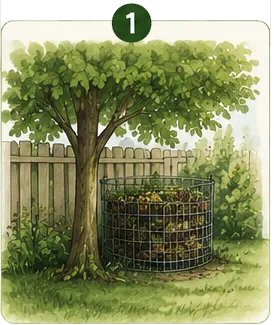
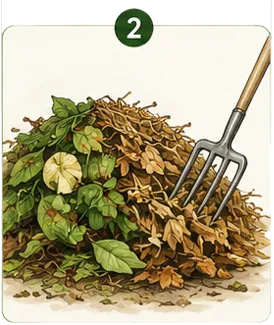
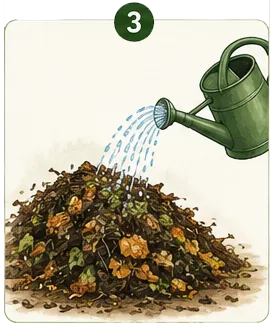
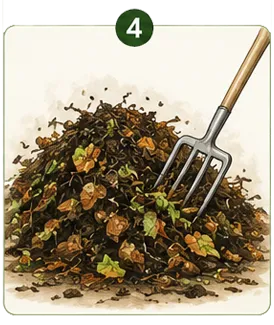
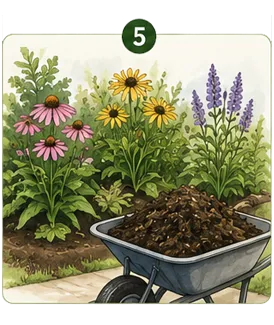
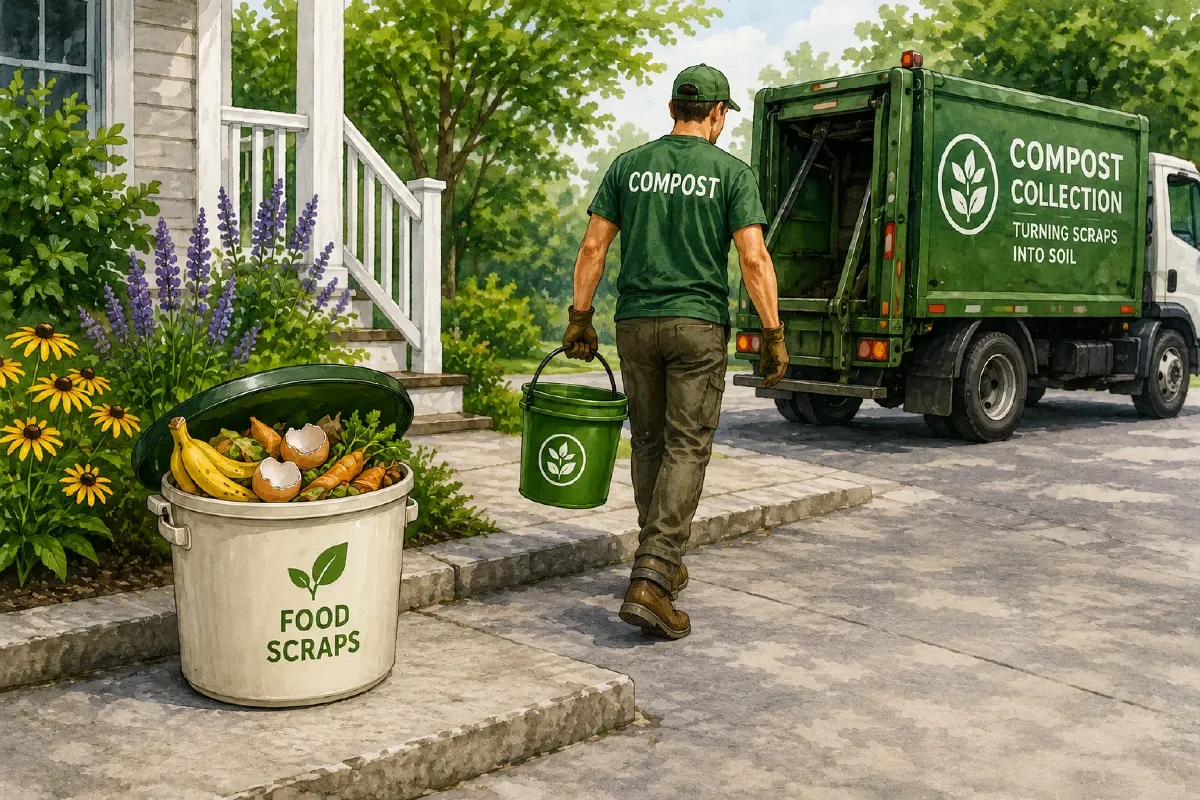
Don't have space or simply don't want to maintain a compost pile? Several local companies collect food scraps and turn them into compost. It's an easy option for apartments, small yards, or busy households.
• Fruit & vegetable scraps
• Coffee grounds
• Tea bags (plastic-free)
• Eggshells
• Leaves
• Grass clippings
• Garden plants
• Small twigs
• Paper towels (unbleached)
• Shredded newspaper
• Cardboard (plain)
• Wood chips
• Meat
• Fish
• Dairy
• Grease
• Cooking oil
• Pet waste
• Coal ash
• Diseased plants
• Weeds with seeds
• Glossy paper
• Plastic


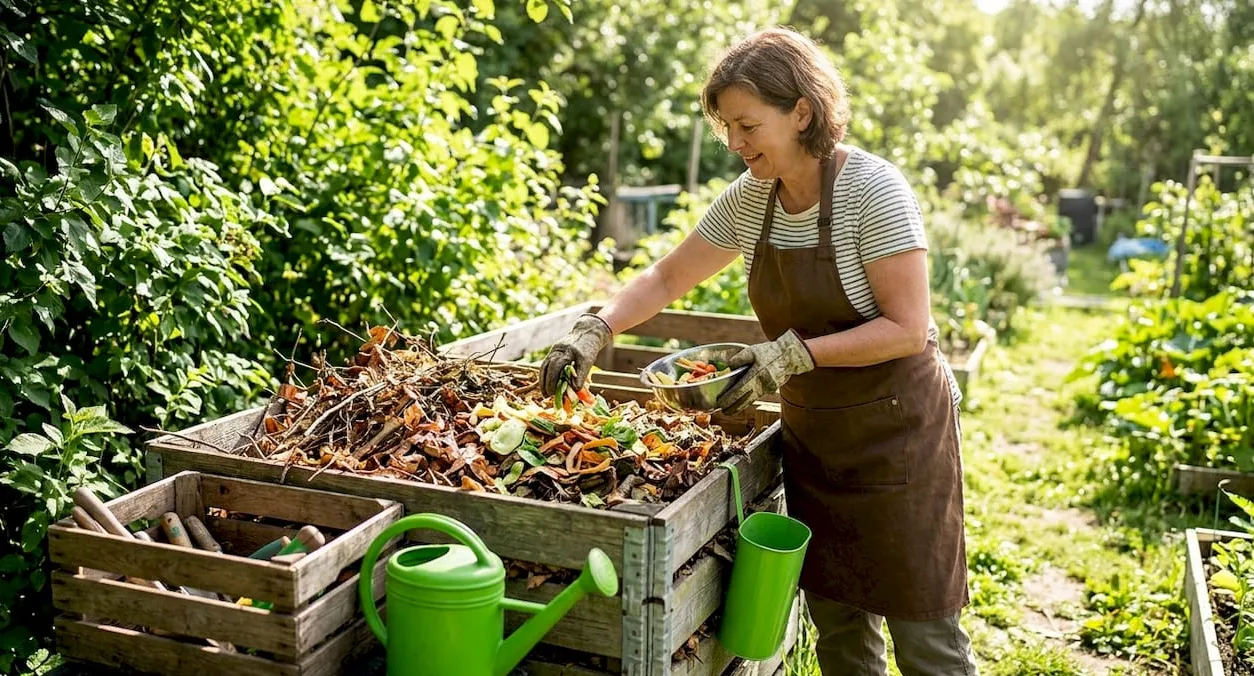
Turning food scraps and yard waste into compost keeps valuable nutrients out of landfills and returns them to the soil. Healthier soil absorbs more rainwater, reduces runoff, supports stronger plants, and helps protect the Paunacussing Creek.
Whether you compost in your backyard or use a curbside collection service, every property can help build a healthier watershed..
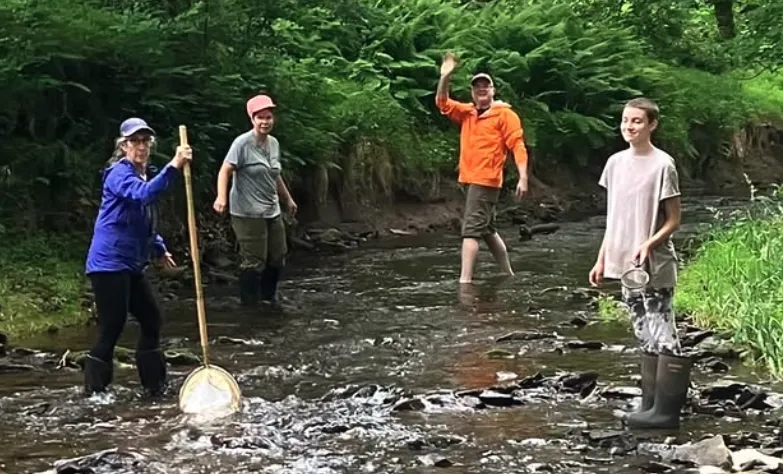
Every membership, donation, and volunteer effort helps protect clean water, healthy habitats, and our community for future generations.
Home About Learning Center News & Events Get Involved Contact
Volunteer-led 501(c)(3) nonprofit organization
Protecting and restoring the Paunacussing Watershed through stewardship, restoration, education, and community engagement.
Donations are tax deductible.