
Success message
Error message
Healthy Stream Buffers & Restoration
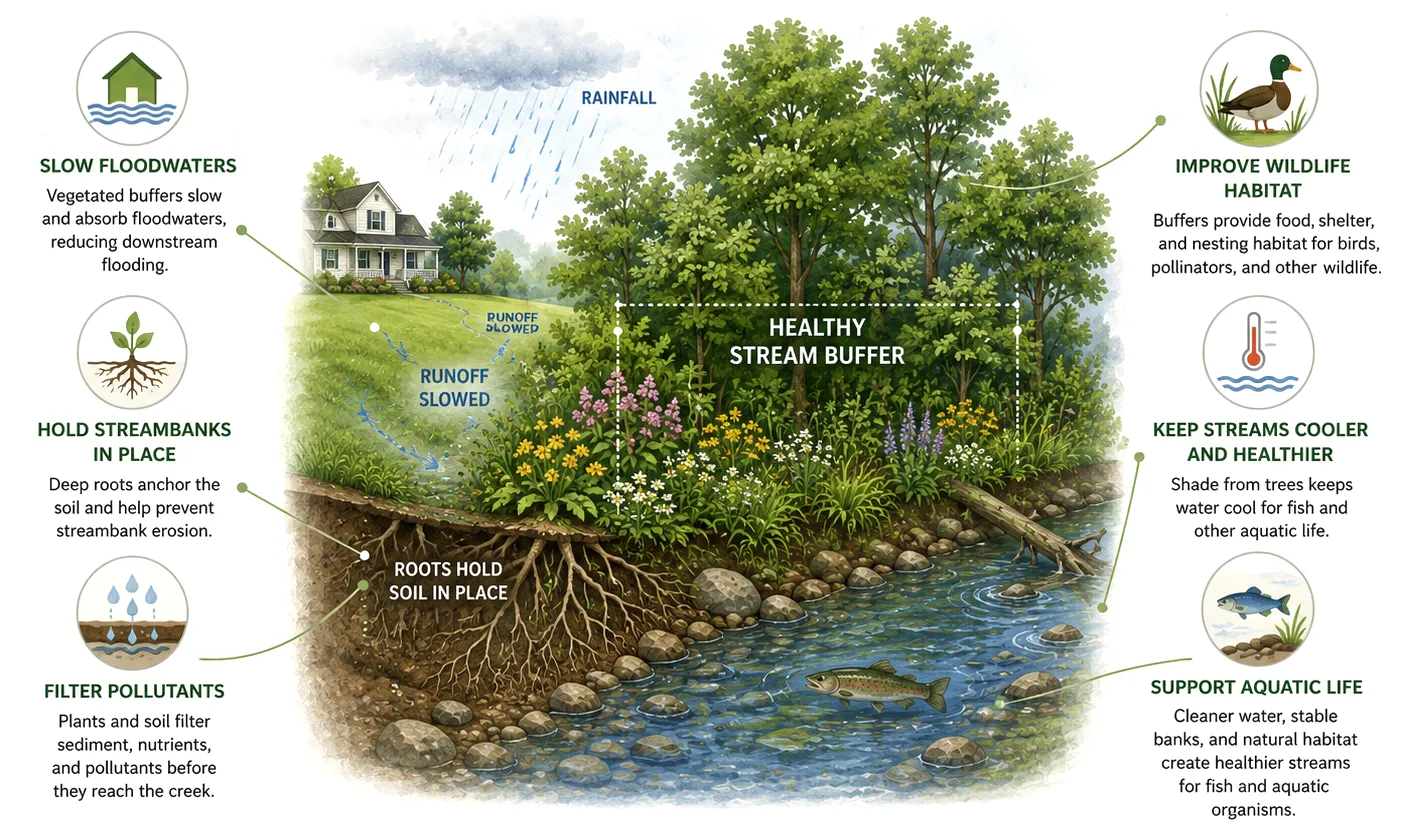
Healthy streams need more than flowing water. They need stable banks, native vegetation, and room to safely carry floodwaters.
When streambanks erode, soil washes into the creek, water speeds up, wildlife habitat declines, and flooding often becomes worse downstream. Restoring stream corridors helps protect water quality, reduce erosion, and build a more resilient watershed.
A healthy stream buffer is the strip of native trees, shrubs, grasses, and wildflowers that grows along the edge of a stream. Protecting and restoring stream buffers is one of the most effective—and least expensive—ways to improve water quality, reduce flooding, and restore wildlife habitat.
___________________________________________________________________________________________________________________________
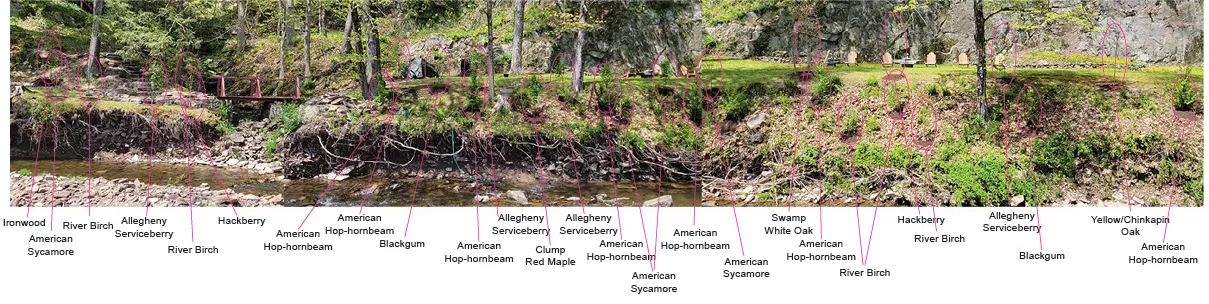
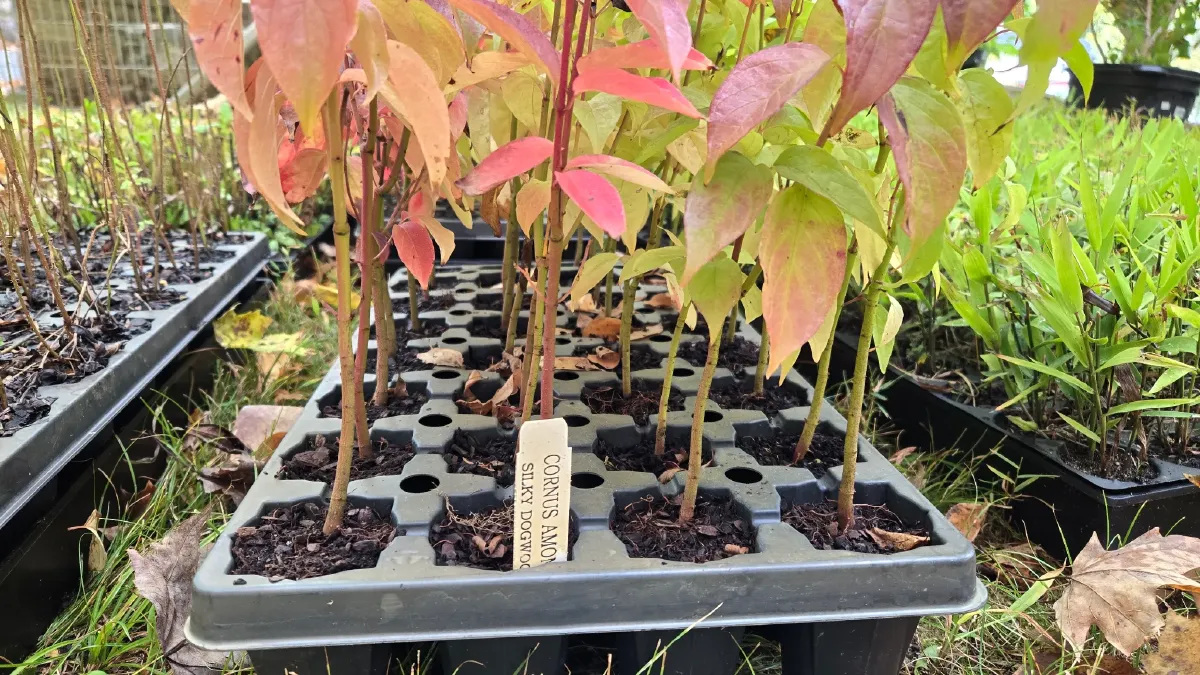
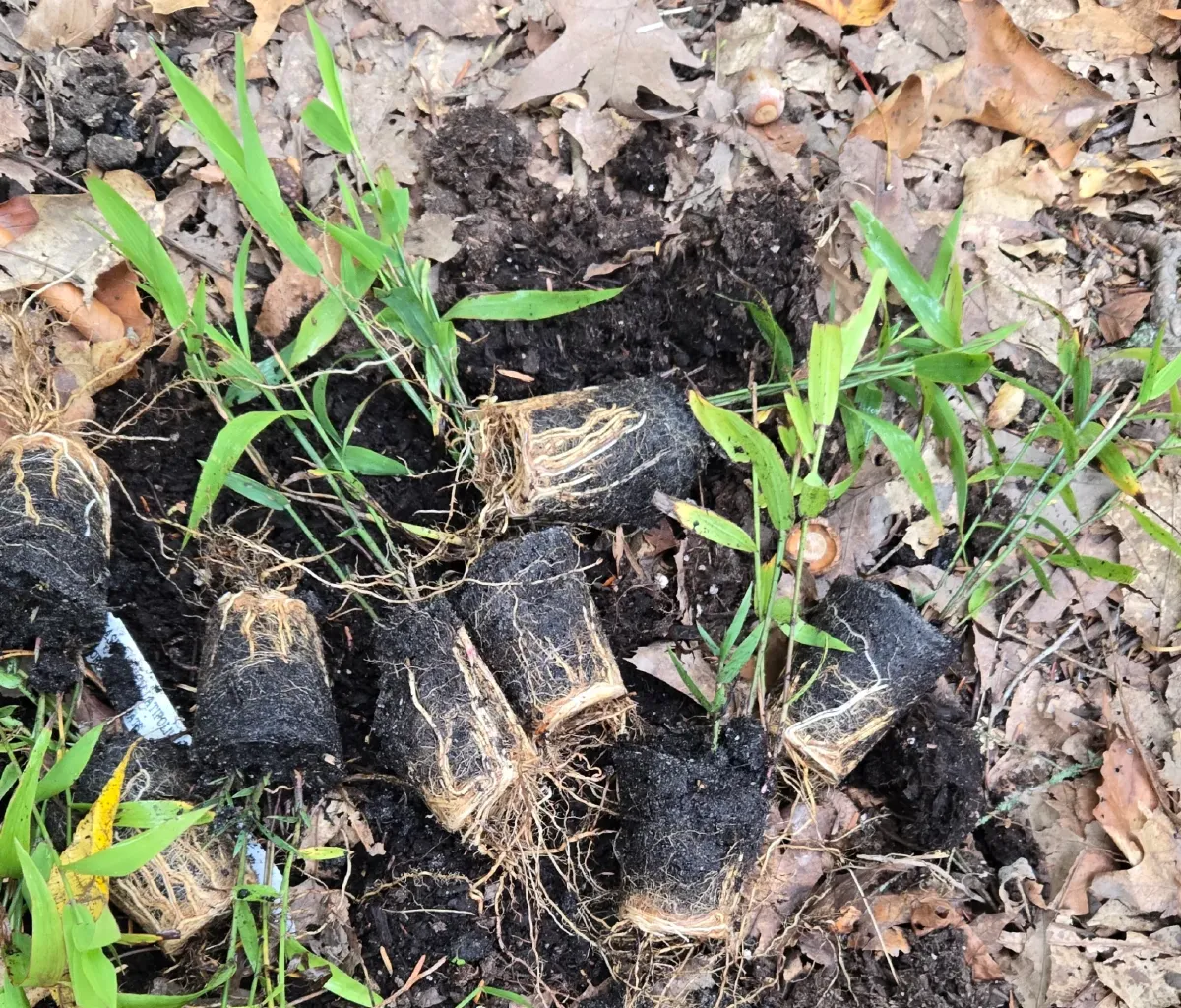
This project demonstrates how native vegetation can stabilize streambanks, improve water quality, and reduce erosion. Working with Princeton Hydro and restoration specialists, PWA developed a restoration plan using native trees, shrubs, and deep-rooted vegetation. More than 15 canopy trees, 25 understory trees, and over 650 native shrub plugs have already been planted as the first phase of what we hope will become a model for future restoration projects throughout the watershed.
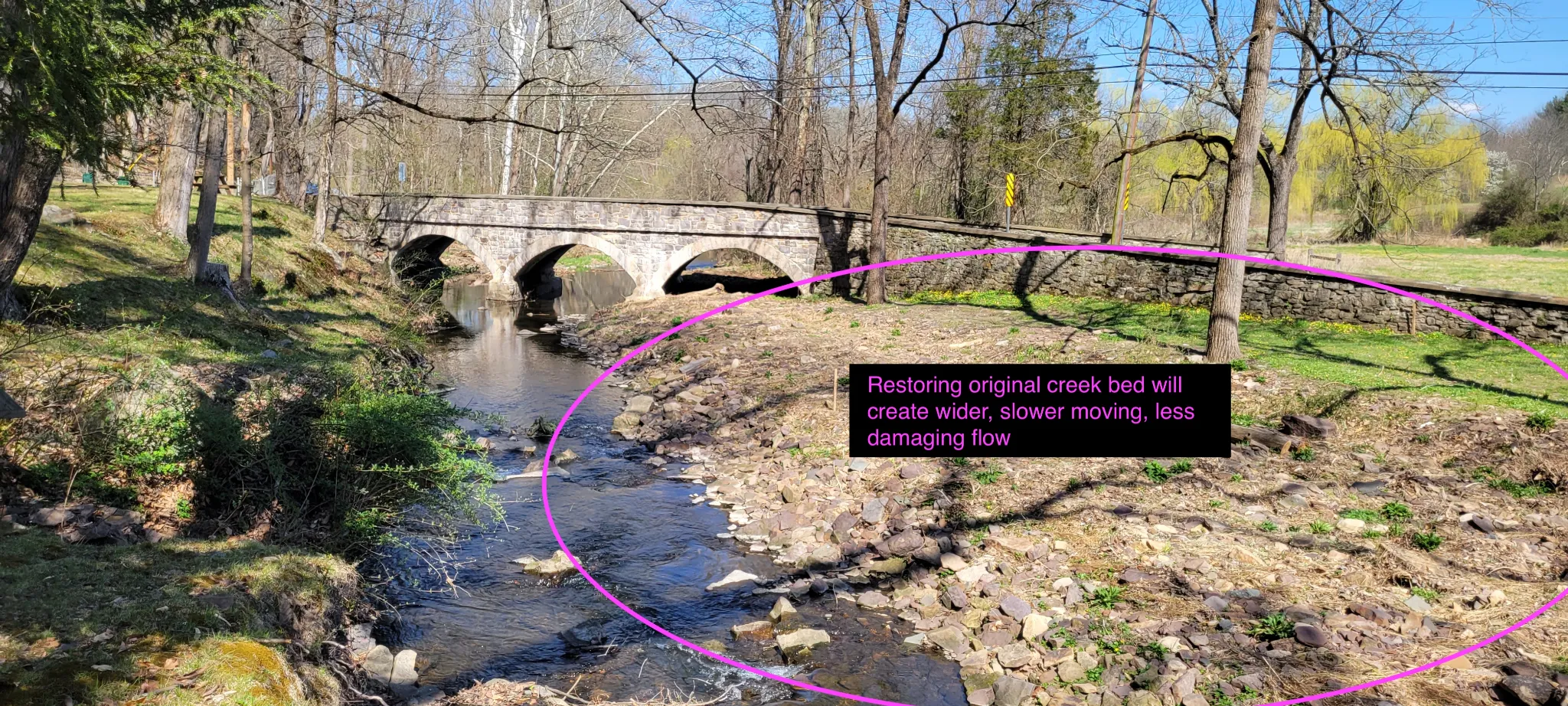
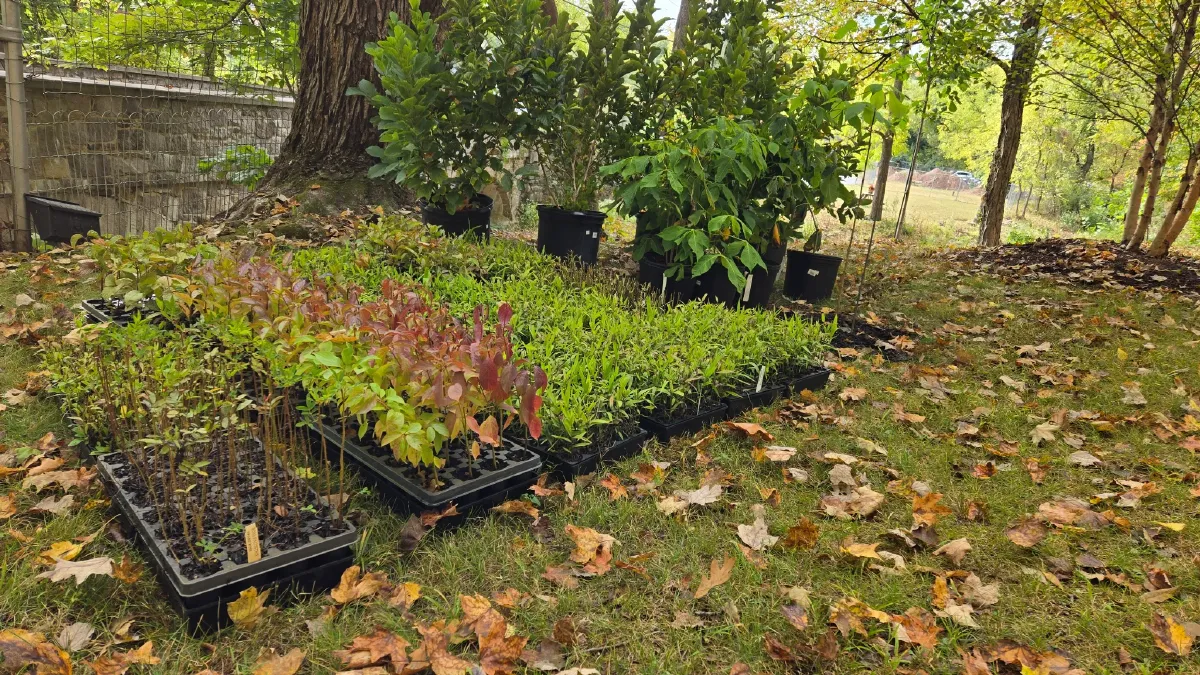
Site Conditions & Restoration Planning.
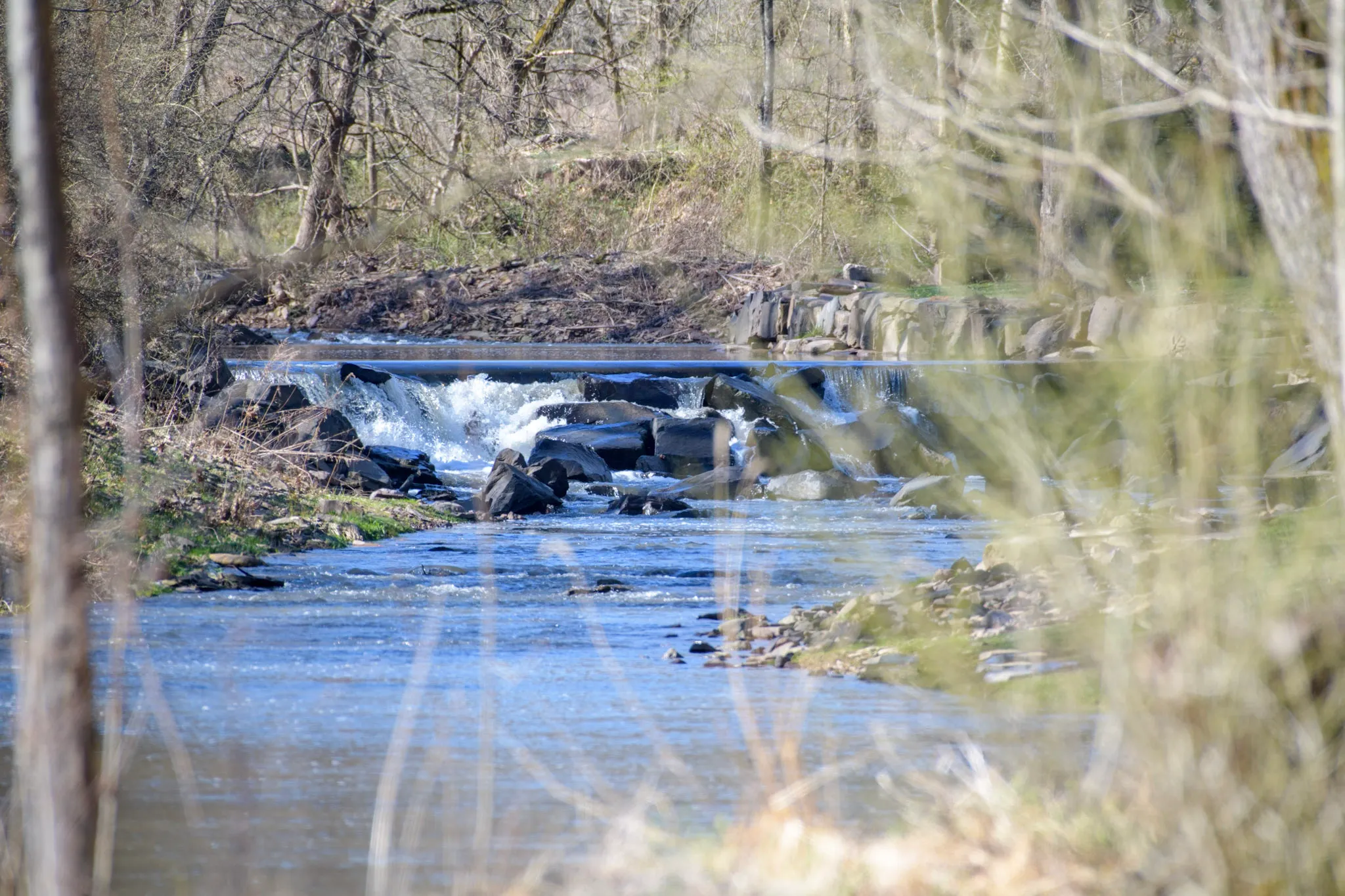
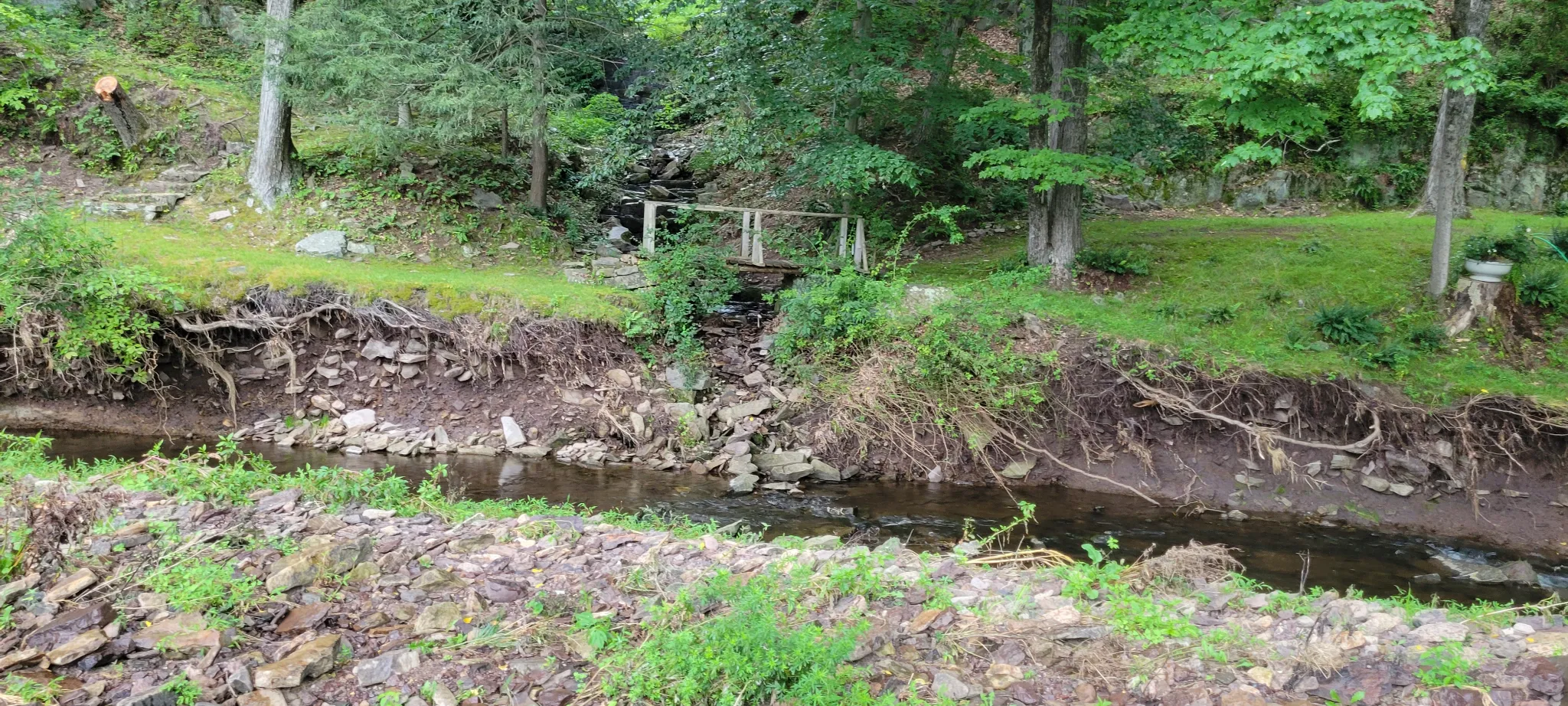
The images below document the site's challenges—including erosion, sediment buildup, narrowed stream channels, and the first phase of native plant installation.
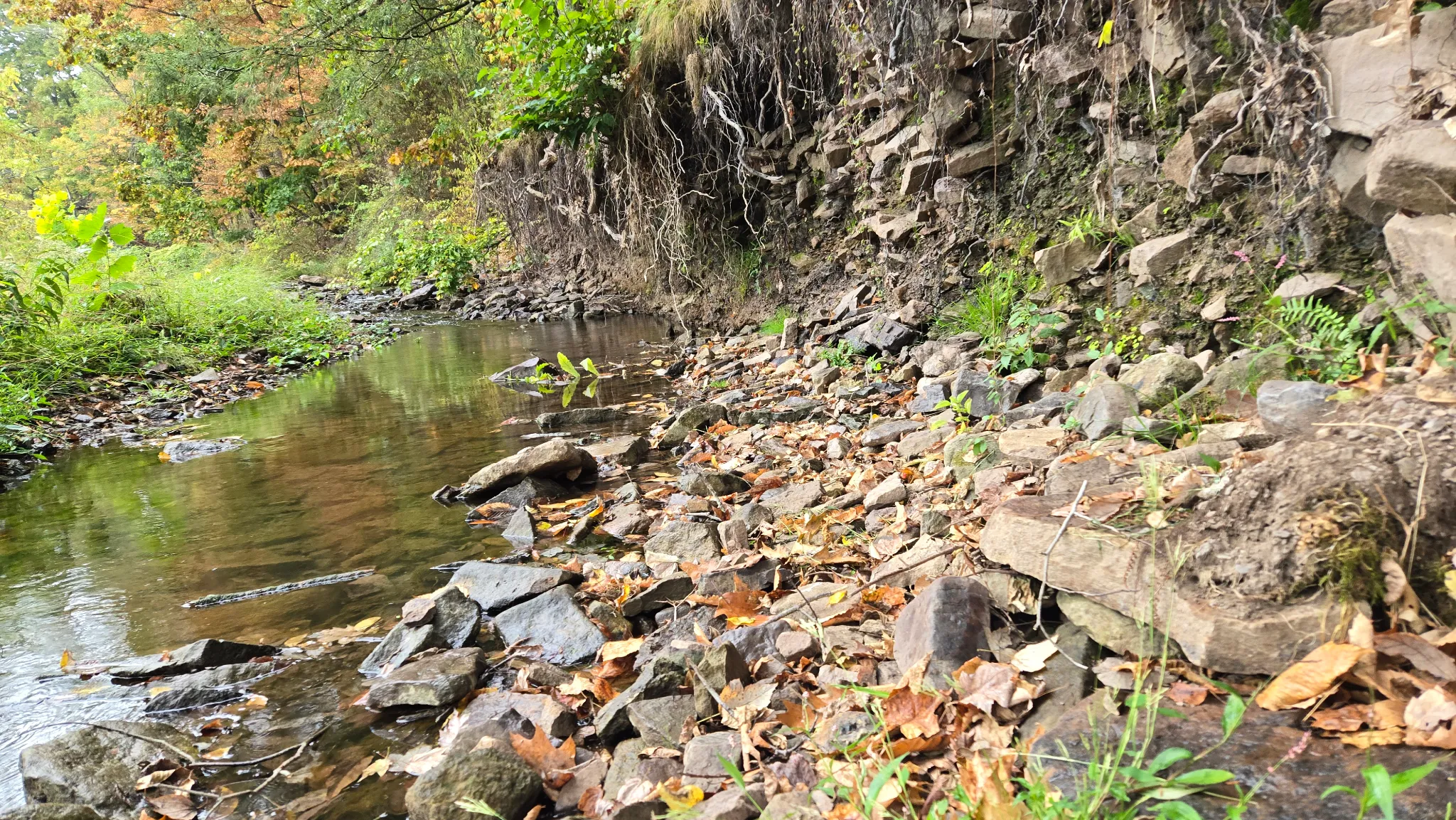
Bank Erosion
Bank Erosion
650 Native Shrubs
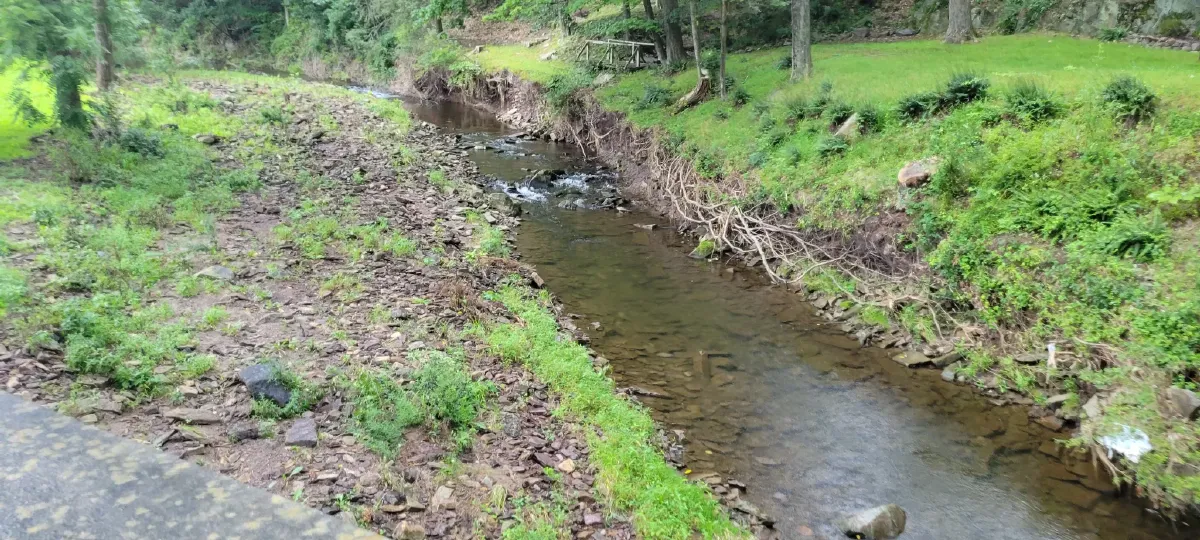
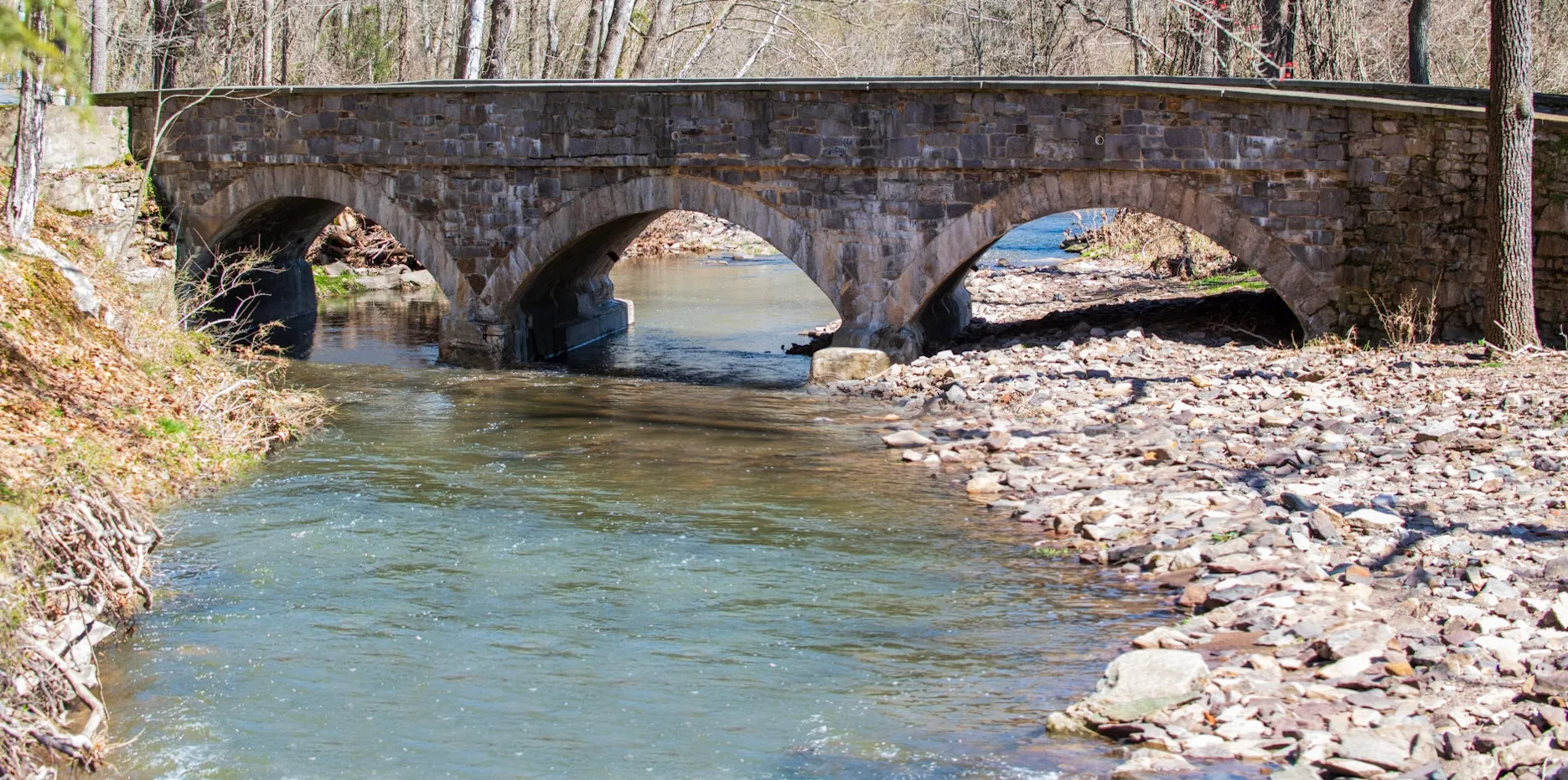
Narrowing of creek channel causing choke spot
Sediment deposition blocking third arch
Sediment Deposition
Sediment Deposition
___________________________________________________________________________________________________________________________________________________________
This project is just the beginning.
PWA is pursuing funding through Pennsylvania's Growing Greener Program to complete a watershed-wide assessment with Princeton Hydro. Working with municipalities, property owners, and environmental agencies, the project would identify priority restoration sites, collect field data, and develop engineering designs for future stream restoration projects.
The Paunacussing Bridge and creek banks restoration is expected to serve as a pilot project, helping guide future restoration efforts throughout the watershed.
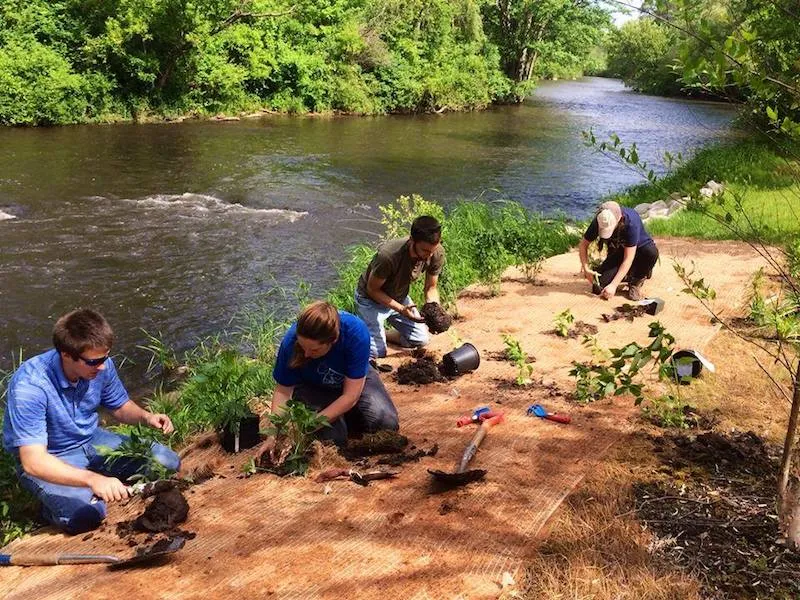
Healthy streams are built through partnerships. Property owners, municipalities, engineers, conservation organizations, volunteers, and funding agencies all play an important role.
By working together across the watershed, we can reduce erosion, improve water quality, restore wildlife habitat, and make our communities more resilient to future flooding.
Whether you own streamside property, volunteer at a planting day, or support restoration projects through a donation, you can help improve the health of the Paunacussing Creek.
Interested in helping?
Every membership, donation, and volunteer effort helps protect clean water, healthy habitats, and our community for future generations.
Home About Learning Center News & Events Get Involved Contact
Volunteer-led 501(c)(3) nonprofit organization
Protecting and restoring the Paunacussing Watershed through stewardship, restoration, education, and community engagement.
Donations are tax deductible.